Sealcoating and Snow Removal: How They Work Together
Understanding the seasonal lifecycle of your pavement is essential for long-term durability and safety.
For property owners in London, managing an asphalt surface is a year-round commitment. While many see sealcoating as a summer task and snow removal as a winter necessity, these two services are actually two sides of the same coin. At Capital Parking Lot Line Painting, we understand that the integrity of your pavement depends on how well you manage the transition between these harsh seasons.
When you invest in professional sealcoating, you aren't just making your parking lot look black and new; you are creating a protective barrier. However, that barrier must be able to withstand the mechanical stresses of winter snow management. If these two processes are not aligned, your asphalt could suffer premature cracking, potholes, and structural failure.
The Role of Sealcoating in Surface Protection
Sealcoating is a liquid asphalt emulsion applied to the surface of your parking lot. Its primary job is to act as a shield against the elements. In a city like London, where weather can be unpredictable, this shield is your first line of defense against UV rays, oil spills, and moisture penetration.
Why Sealcoating Matters Before Winter
Applying a high-quality sealcoat during the warmer months ensures that the asphalt pores are sealed tight. This prevents water from seeping into the base layers. When water enters the cracks and then freezes, it expands—a process known as the freeze-thaw cycle—which is the number one cause of asphalt deterioration.
How Snow Removal Impacts Your Sealcoat
Once winter arrives, the focus shifts to snow removal. While necessary for safety and accessibility, the methods used to clear snow can significantly impact the longevity of your sealcoated surface. Capital Parking Lot Line Painting recommends being mindful of the equipment used on your property.
Heavy snowplows with metal blades can scrape against the surface, potentially gouging the sealcoat if it hasn't properly cured or if the application was too thin. Furthermore, the use of chemical de-icers can react with certain sealants if they are not applied correctly. The goal is to find a balance where snow is removed efficiently without stripping the protective layer away.
Common Mistakes in Seasonal Maintenance
- Using heavy-duty metal blades on freshly sealcoated surfaces.
- Neglecting to repair cracks before the snow season begins.
- Over-reliance on harsh chemical salts that can degrade asphalt binders.
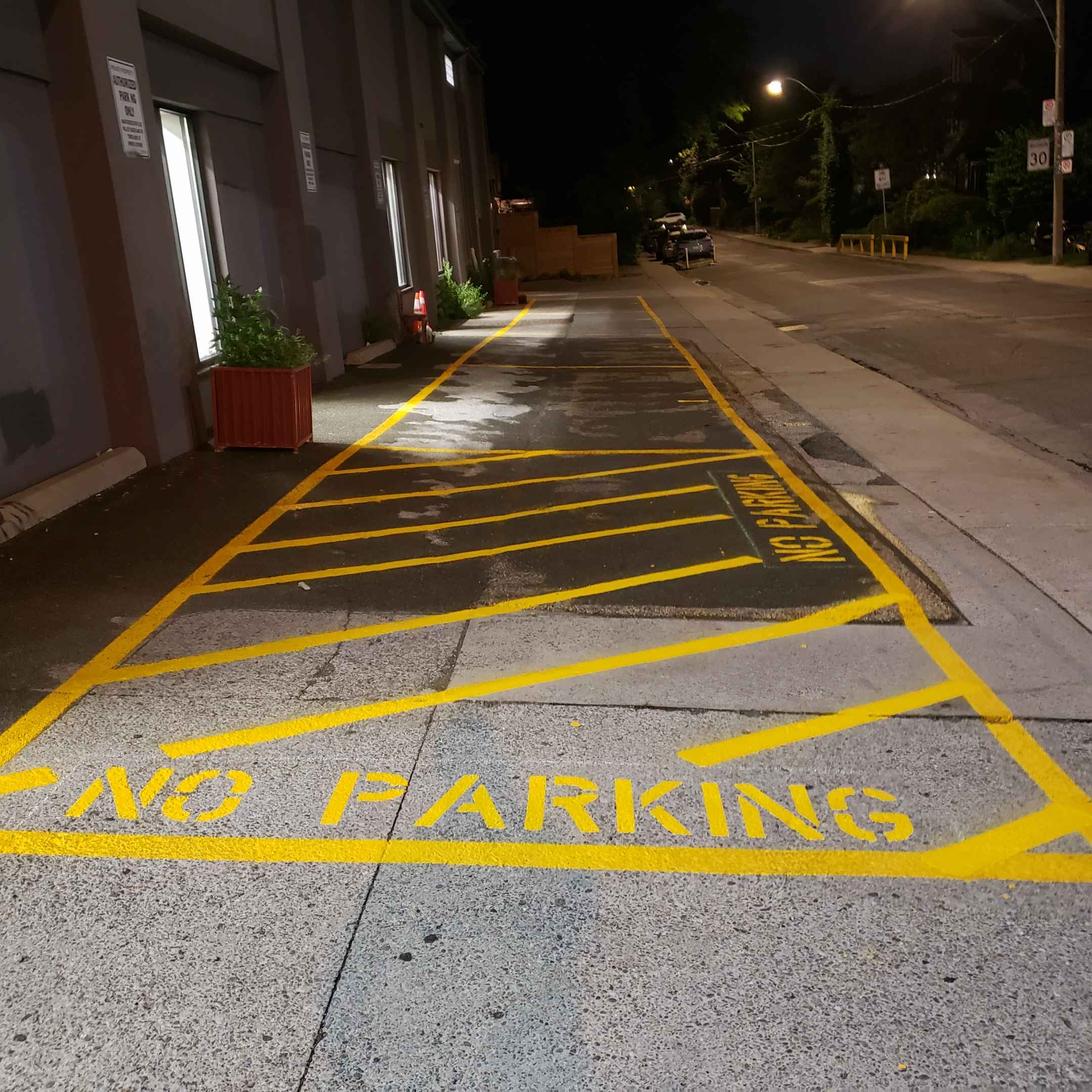
- Failing to perform regular Line Marking to ensure safety during low-visibility snowstorms.
- Ignoring minor surface damage that snowplows can turn into major potholes.
The Synergy of Maintenance: A Proactive Approach
To get the most out of your investment, you should view sealcoating, snow removal, and Line Marking as a unified maintenance strategy. A well-maintained lot is easier to clear, safer for pedestrians, and looks professional year-round.
The Ideal Maintenance Timeline
- Spring: Inspect the lot for damage caused by winter freeze-thaw cycles.
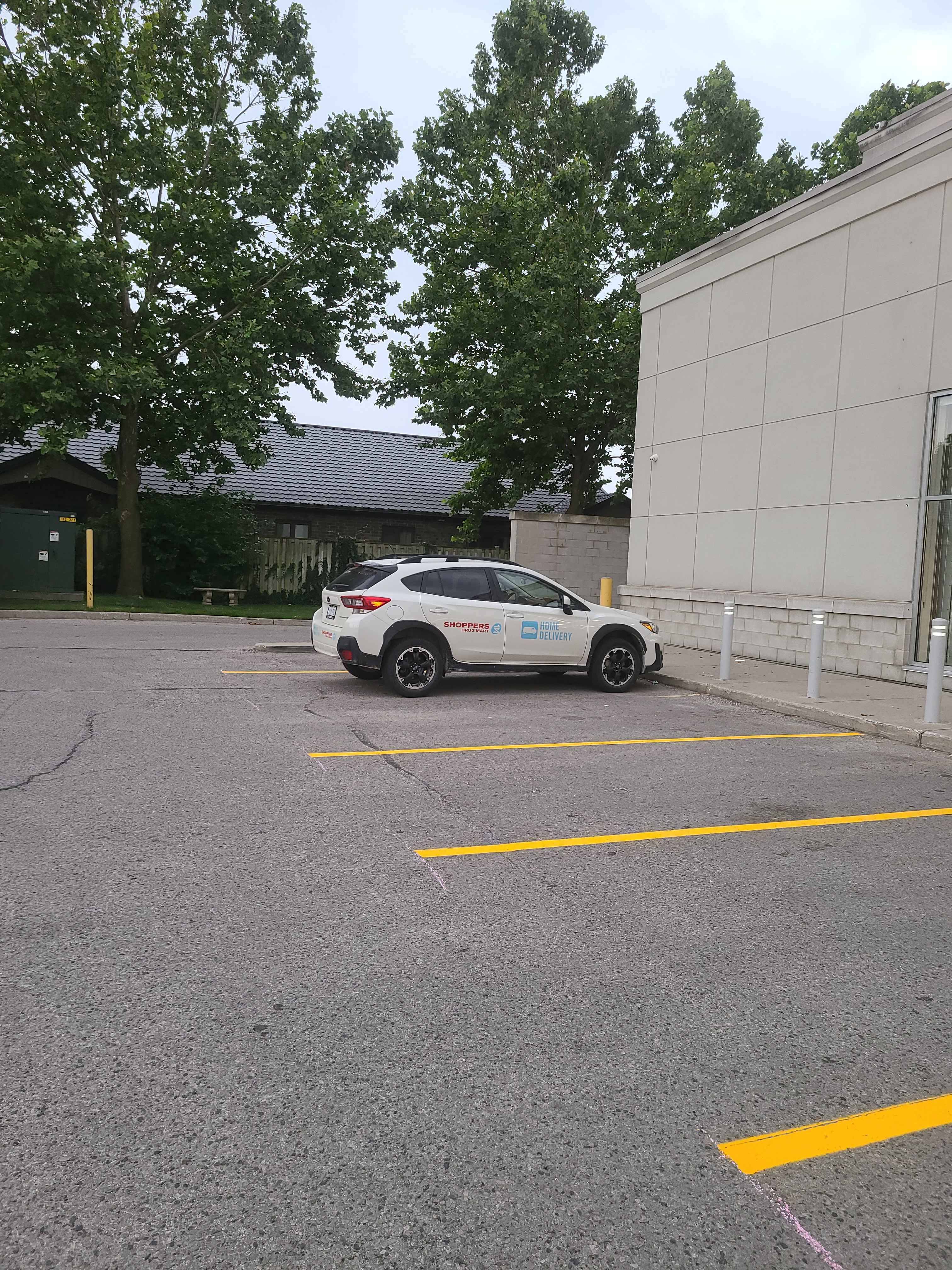
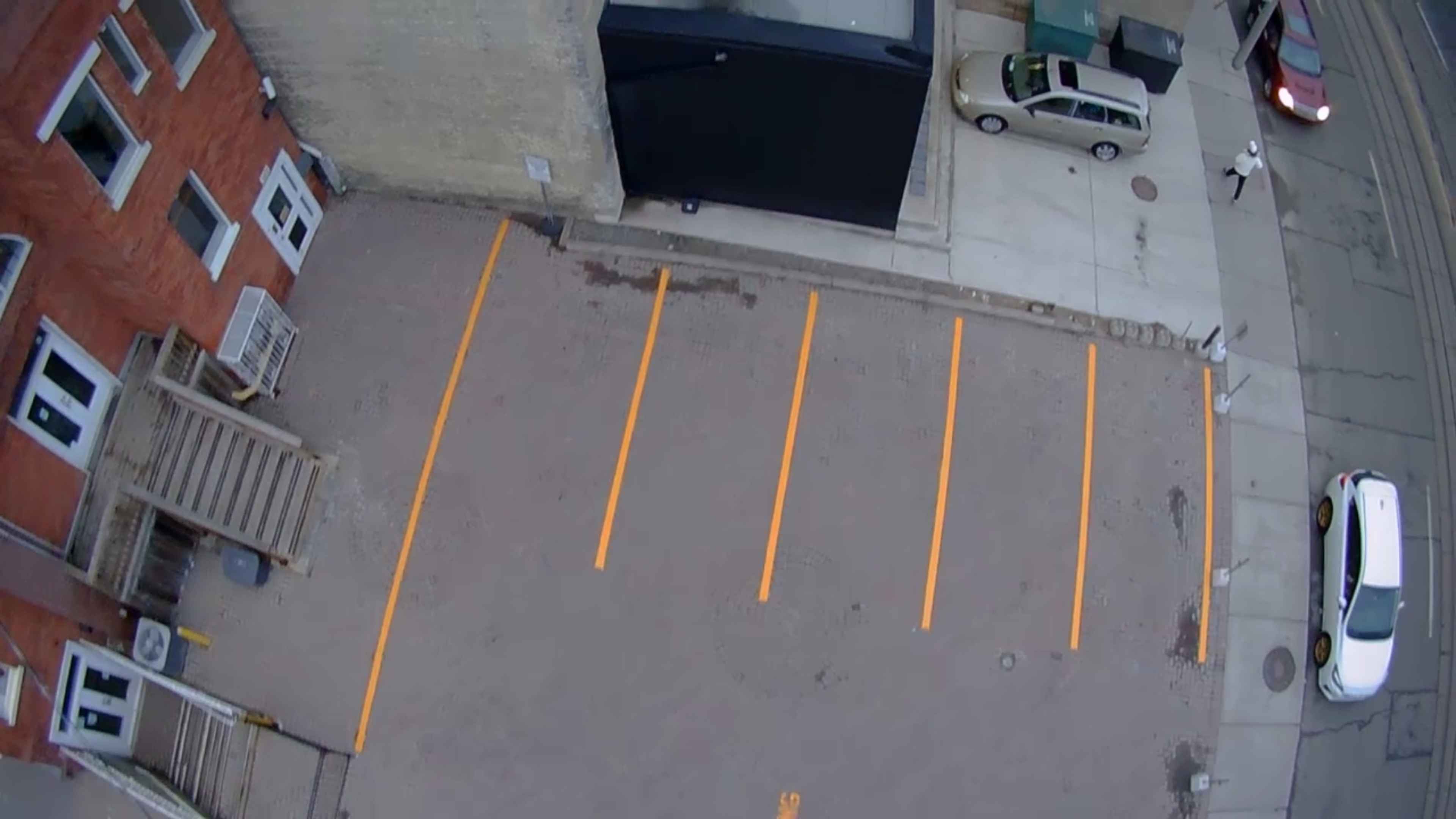
- Summer: Perform crack filling, sealcoating, and fresh Line Painting.
- Fall: Final inspection to ensure all markings and seals are ready for the cold.
- Winter: Execute professional snow removal with equipment suited for sealed surfaces.
By following this cycle, Capital Parking Lot Line Painting can help you extend the life of your pavement by years, saving you from the massive expense of full asphalt replacement.
Visualizing Quality Maintenance
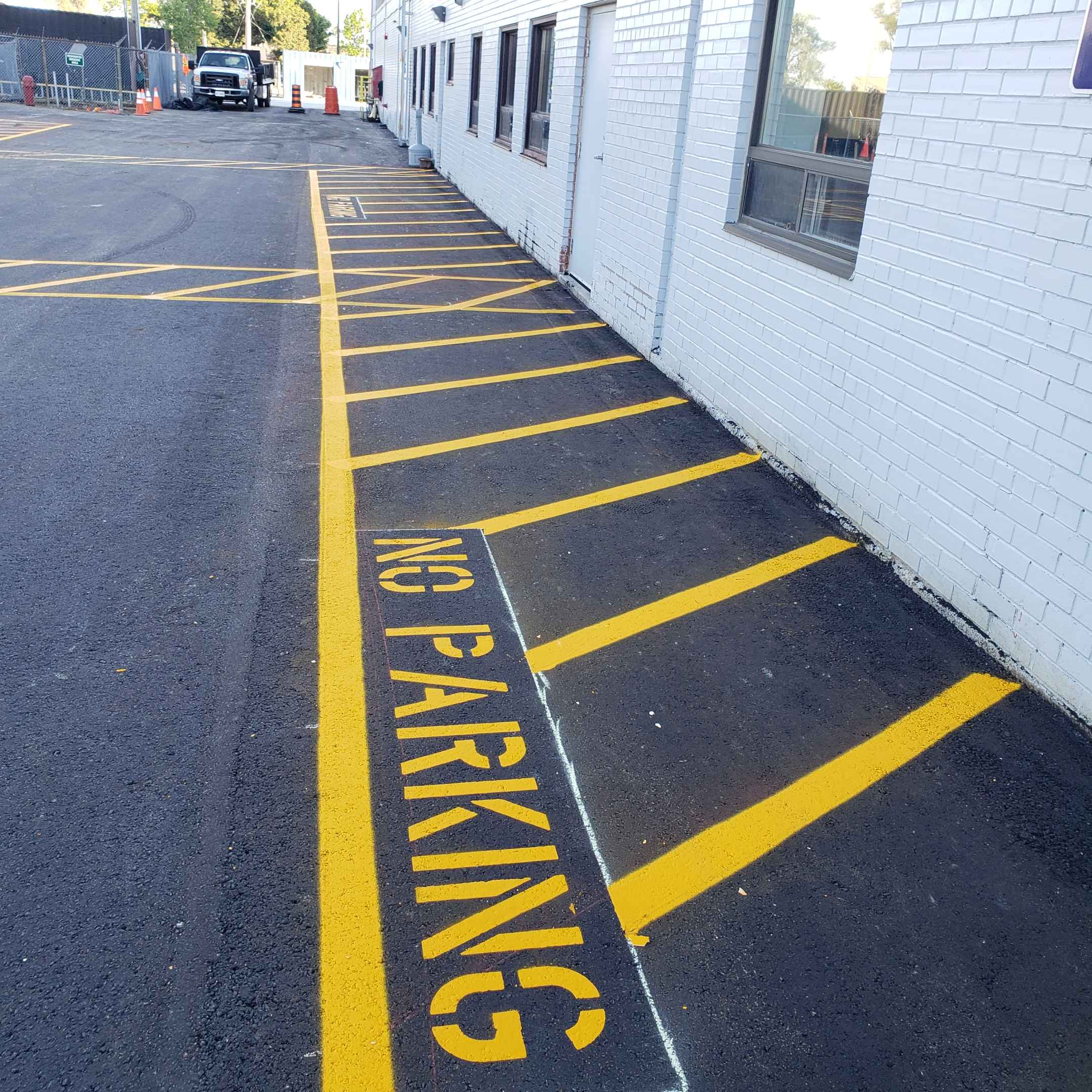
A properly sealcoated and marked parking lot not only provides a smooth surface for snow removal equipment but also clearly defines traffic patterns, reducing the risk of accidents during heavy snowfall.