How Often Should Temporary Construction Zones Be Repainted?
Ensuring safety and clarity in high-traffic construction areas through strategic line marking maintenance.
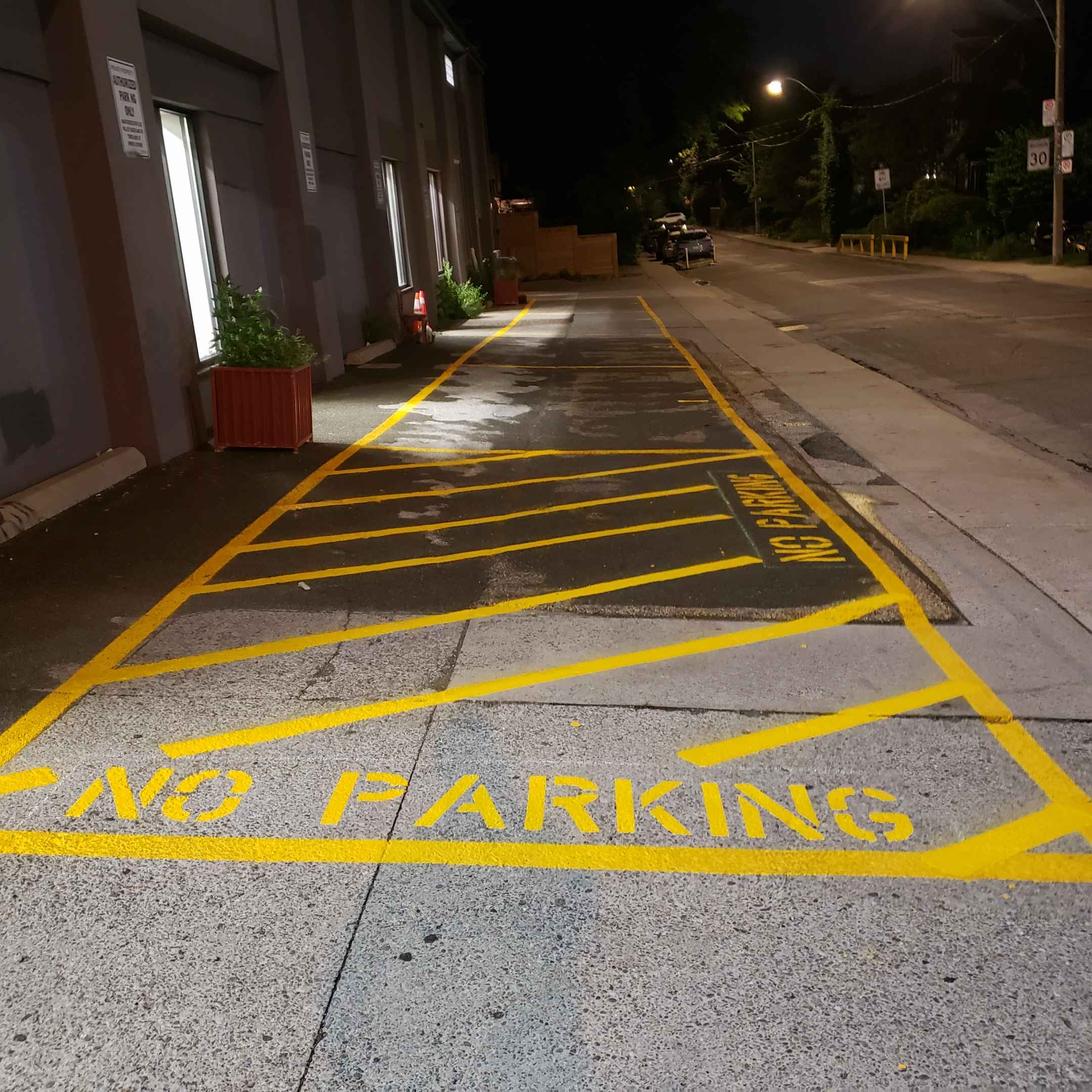
In the fast-paced development landscape of Vaughan, construction projects are a constant sight. Whether it is a major highway expansion or a local utility upgrade, these temporary zones introduce a layer of complexity to traffic management. One of the most overlooked aspects of site safety is the visibility of temporary markings. When lines fade, drivers become confused, and the risk of accidents skyrockets. This raises a critical question for project managers: How often should temporary construction zones be repainted?
At Capital Parking Lot Line Painting, we understand that temporary markings serve a different purpose than permanent ones. They are designed for agility, yet they must remain highly visible to ensure the safety of both motorists and site workers. Maintaining these markings is not just about aesthetics; it is about regulatory compliance and risk mitigation.
Factors Influencing the Lifespan of Temporary Markings
There is no single "magic number" of months or weeks that applies to every project. The frequency of line painting depends heavily on the specific environment of the construction site. Several variables dictate how quickly your temporary markings will degrade.
1. Traffic Volume and Weight
The sheer amount of traffic passing through a zone is perhaps the most significant factor. A temporary lane diversion on a major artery in Vaughan will experience significantly more wear and tear than a small detour on a residential street. Heavy machinery, delivery trucks, and high-speed commuter vehicles all contribute to the mechanical abrasion of the paint surface.
2. Environmental and Weather Conditions
In Ontario, our weather is a constant battleground for surface coatings. Extreme temperature fluctuations, heavy rainfall, and the use of road salt during winter months can rapidly erode temporary line marking. If a construction zone is exposed to heavy precipitation, the moisture can penetrate the bond between the paint and the asphalt, leading to premature peeling.
3. Material Quality
Not all line marking products are created equal. The type of paint or thermoplastic used plays a massive role in durability. Professional services like Capital Parking Lot Line Painting utilize high-grade materials designed to withstand the rigors of construction environments, ensuring that the interval between repainting is extended as much as possible.
The Dangers of Neglecting Temporary Line Marking
When markings become faint or disappear entirely, the consequences can be severe. Maintaining a strict schedule for line painting is a proactive safety measure. Consider these common risks associated with faded markings:
- Driver Confusion: Faded lines lead to uncertainty regarding lane boundaries and directionality.
- Increased Accident Risk: Unclear boundaries often result in side-swipe collisions or vehicles drifting into work zones.
- Worker Vulnerability: Construction workers rely on clear buffers between live traffic and the work area.
- Legal Liability: Failure to maintain visible safety markings can leave contractors and municipalities vulnerable to litigation.
Establishing a Maintenance Schedule
To avoid the pitfalls mentioned above, project managers should implement a regular inspection routine. Rather than waiting for the lines to vanish, a proactive approach is always more efficient. We recommend the following steps for managing your temporary zones:
Conduct Weekly Visual Audits
Walk the site or use a vehicle to inspect the clarity of the markings at least once a week. Look for areas where heavy truck traffic is concentrated, as these will be the first to show signs of wear.
Monitor Weather Patterns
After significant weather events, such as a heavy storm or a freeze-thaw cycle, perform an immediate inspection. These events can compromise the adhesion of the line marking unexpectedly.
Consult with Professionals
Working with an experienced provider like Capital Parking Lot Line Painting allows you to plan for repainting cycles before they become an emergency. Professional technicians can assess the current state of your markings and recommend a repainting interval that suits your specific project duration and traffic load.
Ready to Secure Your Site?
Don't wait for an accident to happen before you realize your markings have faded. Ensure your construction zone is compliant, visible, and safe for everyone on the road.