Environmental Benefits of Sealcoating Your Asphalt Surface
While most property owners view sealcoating as a purely aesthetic upgrade, it is actually one of the most effective ways to practice environmental stewardship through pavement management.
The Hidden Connection Between Maintenance and Sustainability
When we think about "going green," our minds often jump to solar panels, electric vehicles, or recycling programs. However, infrastructure maintenance plays a massive, often overlooked role in the ecological footprint of our cities. For property owners in St. Catharines, maintaining asphalt surfaces is not just about curb appeal; it is about resource conservation.
Asphalt is a petroleum-based product. Every time a parking lot or driveway is completely demolished and replaced, a massive amount of energy is consumed in the manufacturing, transportation, and installation processes. By choosing to sealcoat, you are effectively delaying the need for total reconstruction, thereby significantly reducing the demand for new raw materials.
Capital Parking Lot Line Painting specializes in helping property managers understand that proactive care is the most sustainable path forward. When you protect what you already have, you participate in a circular economy of maintenance rather than a cycle of replacement.
How Sealcoating Protects Our Natural Resources
The primary function of a sealcoat is to act as a protective barrier against the elements. In regions like St. Catharines, where seasonal temperature swings and salt usage can be harsh, the asphalt is under constant attack. Here is how sealcoating provides environmental protection:
1. Reducing Resource Extraction
Asphalt requires bitumen, a component derived from crude oil. By extending the life of your existing pavement through regular sealcoating, you reduce the frequency of large-scale asphalt production. This directly lowers the carbon footprint associated with the extraction and refining of petroleum products.
2. Preventing Water Runoff Contamination
Cracked and degraded asphalt allows water to seep into the sub-base, leading to potholes and structural failure. When asphalt breaks down, it can release fine particulates and oils into the local stormwater system. A sealed, smooth surface ensures that water flows predictably and reduces the erosion of the pavement material itself.
The Lifecycle Advantage
To understand the environmental impact, one must look at the lifecycle of a parking lot. Without maintenance, a parking lot might last 10-15 years before requiring a total overhaul. With a consistent maintenance schedule provided by experts like Capital Parking Lot Line Painting, that lifespan can be doubled or even tripled.
Key Environmental Benefits at a Glance:
- Lower Carbon Footprint: Less heavy machinery required for full replacements.
- Waste Reduction: Minimizes the amount of old asphalt debris sent to landfills.
- Energy Conservation: Reduces the energy needed for the manufacturing of new asphalt mixes.
- Chemical Stability: Keeps the asphalt binder intact, preventing the leaching of oils into the soil.
Complementary Services for a Professional Finish
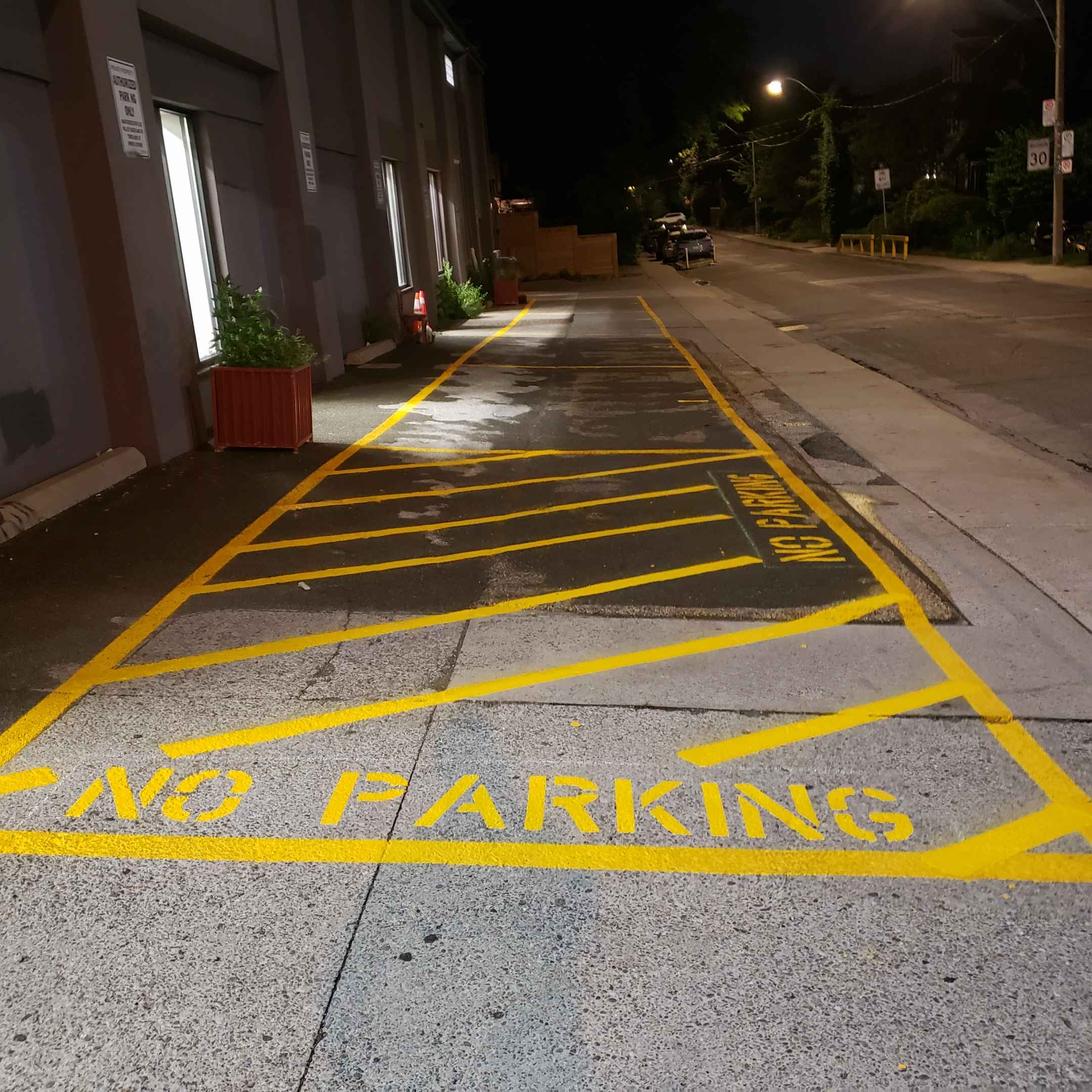
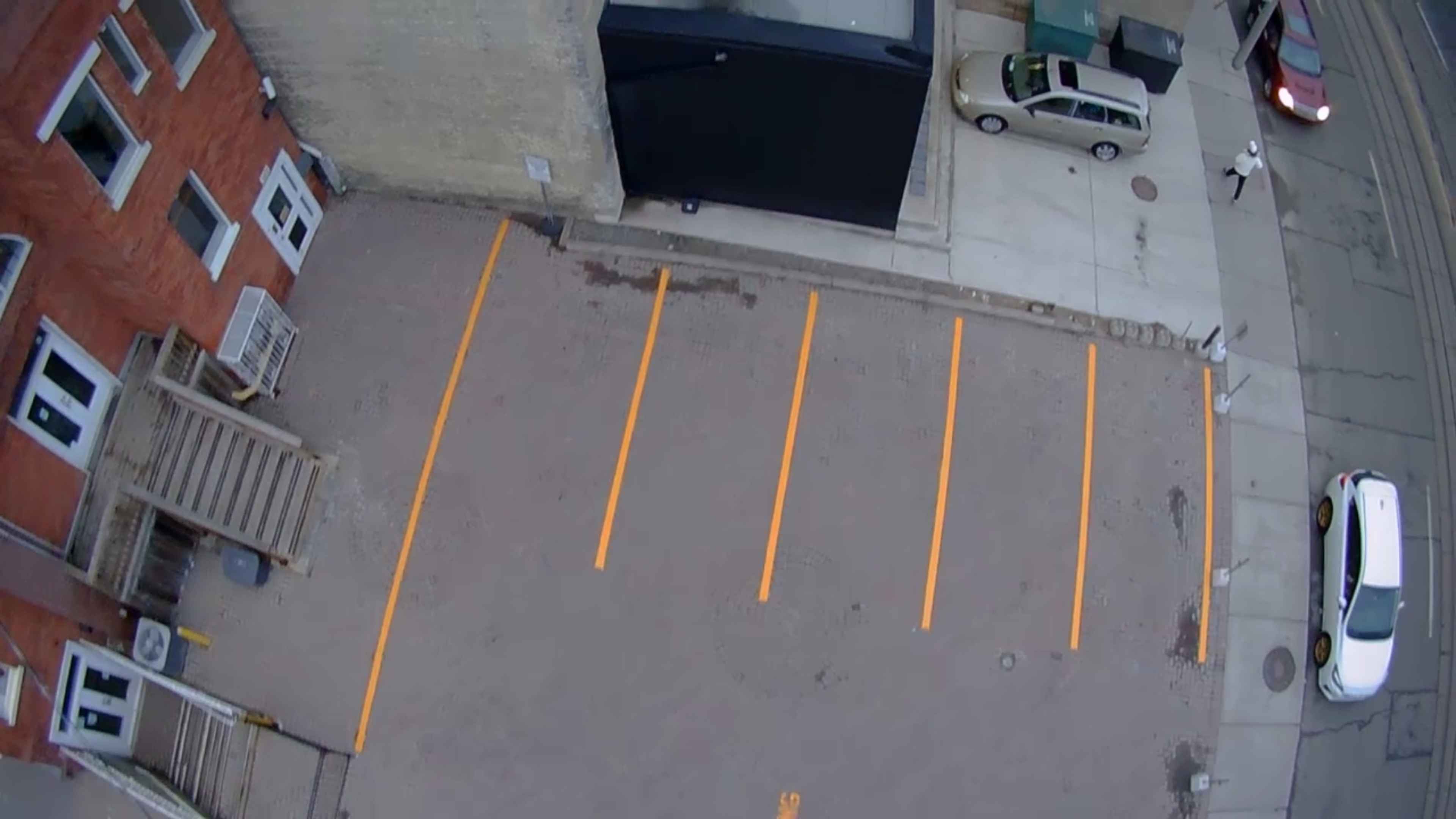
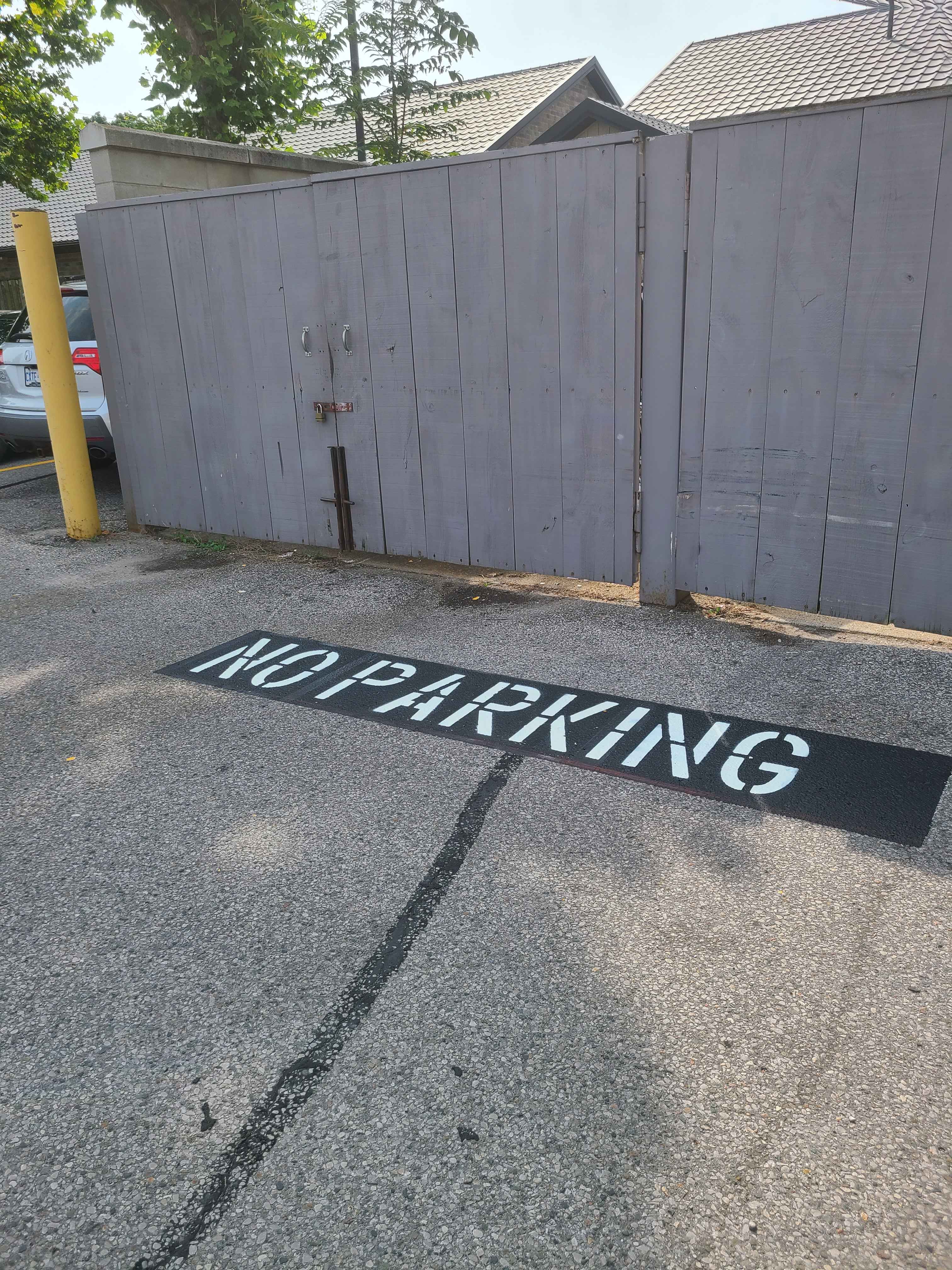
Sealcoating is only one part of a complete pavement management strategy. To ensure safety and functionality, many properties also require Line Painting. While sealcoating provides the protective layer, Line Painting ensures that the space is organized and safe for drivers and pedestrians. At Capital Parking Lot Line Painting, we emphasize that a well-maintained surface is a safe surface.
When you combine a fresh sealcoat with crisp, professional Line Marking, you create a durable environment that resists wear and tear while providing maximum utility to your visitors.
Thumbnail Preview
Regular maintenance, including sealcoating and professional Line Painting, is the most cost-effective and eco-friendly way to manage your commercial or residential asphalt surfaces.
Conclusion: A Greener Way to Manage Pavement
Investing in sealcoating is an investment in the planet. By choosing to preserve your existing infrastructure, you are actively participating in a movement toward more sustainable urban management. It saves money, improves safety, and protects our natural environment for future generations.
If you are looking to protect your investment while doing your part for the environment, reach out to the professionals who understand the science of asphalt.