Crackfilling for Newly Paved vs. Aged Asphalt Surfaces
Maintaining the integrity of your asphalt is a science that changes as your pavement matures.
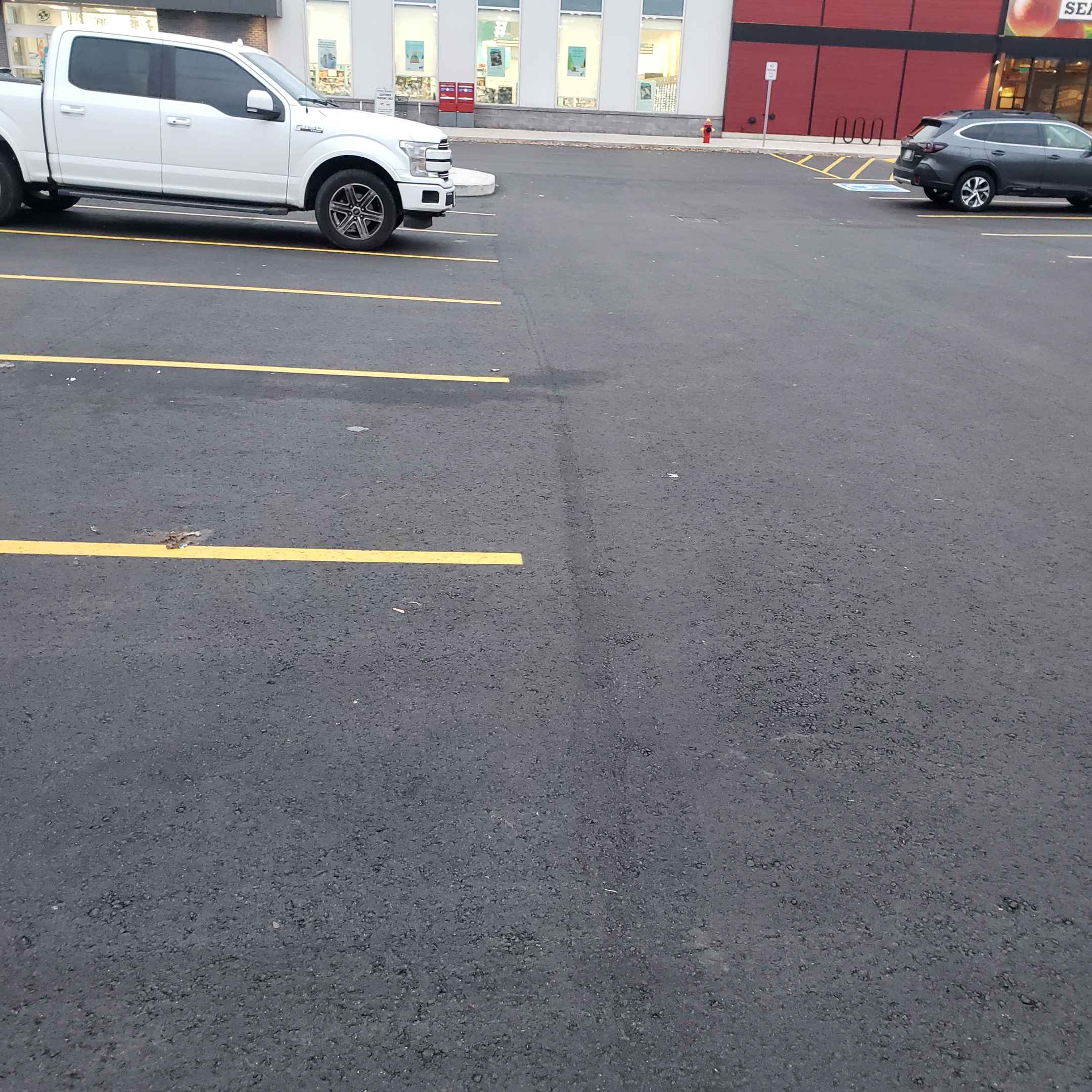
When a new parking lot is installed, it looks pristine. It is dark, smooth, and perfectly leveled. However, the battle against the elements begins the moment the rollers leave the site. Whether you are managing a commercial property in Waterloo or a residential complex, understanding how to approach crackfilling based on the age of your asphalt is the key to preventing costly structural failures.
At Capital Parking Lot Line Painting, we see firsthand how different maintenance strategies can drastically alter the lifecycle of a surface. Not all cracks are created equal, and applying the wrong solution at the wrong time can actually accelerate deterioration.
The New Asphalt Phase: Preventative Sealing
Newly paved asphalt is still in its most flexible state. It contains a high percentage of volatile oils that provide its characteristic black color and waterproof qualities. However, as the asphalt cures, it begins to lose these oils through oxidation, making it more brittle.
Why Early Intervention Matters
In the first few years, cracks are often "hairline" or caused by minor settlement. The goal here isn't just to fill a hole, but to prevent water from reaching the sub-base. If water penetrates the surface of a new lot, it can cause the foundation to shift, leading to much larger issues down the road.
For new surfaces, we often recommend a combination of crackfilling and professional Line Marking to ensure the entire aesthetic and functional layout is preserved as the surface settles.
The Aged Asphalt Phase: Remedial Repair
As asphalt ages, it undergoes significant chemical changes. The surface becomes lighter in color (graying) and becomes much more susceptible to thermal expansion and contraction. In a climate like Waterloo, where freeze-thaw cycles are frequent, aged asphalt faces extreme stress.
Aged surfaces often exhibit wider cracks, alligator cracking (a pattern resembling reptile skin), and potholes. At this stage, crackfilling is no longer just preventative; it is a critical restorative measure.
The Challenges of Aged Surfaces
When dealing with older pavement, Capital Parking Lot Line Painting must assess the depth and width of the fissures. Wide cracks require specialized hot-applied rubberized materials that can expand and contract with the temperature changes without pulling away from the edges.
Key Differences at a Glance
- Objective: New = Prevention | Aged = Restoration
- Crack Width: New = Hairline/Narrow | Aged = Wide/Deep
- Material Focus: New = Oil retention | Aged = Flexibility and adhesion
- Frequency: New = Periodic inspection | Aged = Regular heavy maintenance
Common Mistakes to Avoid
Many property owners attempt DIY fixes or ignore small cracks, thinking they aren't a priority. This often leads to much larger expenses. Here are the most common errors we observe:
- Using the wrong sealant: Using cold-pour liquids on wide, aged cracks often results in the material failing within a single season.
- Ignoring the sub-base: If a crack is caused by a sinking foundation, filling the crack is only a temporary band-aid.
- Neglecting Line Painting: While crackfilling protects the structure, failing to update your Line Painting makes the lot unsafe and difficult to navigate.
- Waiting too long: A small crack today is a pothole tomorrow.
Professional Solutions with Capital Parking Lot Line Painting
Managing asphalt requires expertise in both chemistry and heavy equipment. Whether you need a preventative seal for a brand-new lot or a comprehensive overhaul of an aging surface, Capital Parking Lot Line Painting provides the specialized care required to maximize your pavement's lifespan.
By combining advanced crackfilling techniques with precision Line Marking, we ensure your parking lot remains both structurally sound and visually professional for years to come.
Ready to protect your investment?
Don't let small cracks turn into massive headaches. Contact our team today to schedule a professional assessment of your asphalt surfaces.