The Role of Sealcoating in Long-Term Asphalt Maintenance
Protecting your investment starts from the surface up. Understanding the science of sealcoating can save you thousands in future repairs.
Asphalt is a resilient material, but it is not invincible. Whether you manage a sprawling commercial parking lot or a private residential driveway, the surface you drive on is constantly under siege. From the intense UV rays of summer to the harsh, salt-laden winters common in Ontario, your pavement faces a relentless cycle of expansion and contraction. This is where sealcoating becomes an essential line of defense.
At Capital Parking Lot Line Painting, we have seen firsthand how proactive maintenance can transform the lifespan of a parking surface. Sealcoating isn't just about making your asphalt look brand new; it is a structural preservation strategy designed to keep the bitumen binder intact and functional.
What Exactly is Sealcoating?
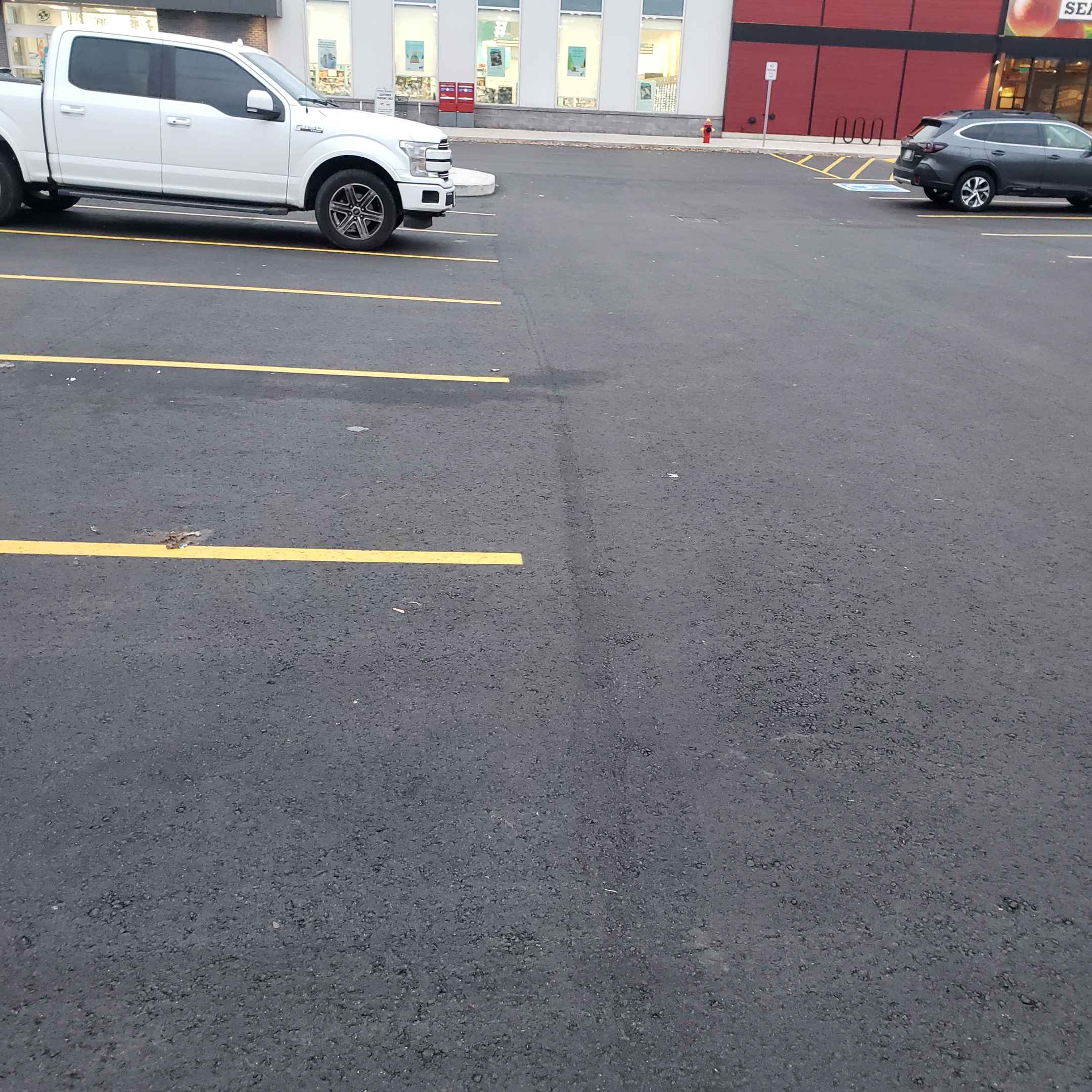
Sealcoating is the application of a protective liquid coating—usually composed of coal tar or asphalt emulsion—to the surface of an asphalt pavement. This layer acts as a sacrificial barrier. Instead of the sun, water, and chemicals attacking the actual asphalt structure, they attack the sealcoat. Once the sealcoat begins to wear down, it can be reapplied, leaving the underlying asphalt untouched and structurally sound.
In high-traffic areas within Oakville, where weather fluctuations can be extreme, this barrier is the difference between a smooth surface and a crumbling mess of potholes and cracks.
The Critical Benefits of Regular Sealcoating
Many property owners view sealcoating as a cosmetic upgrade, but its primary value lies in its preventative capabilities. Here are the core benefits:
- UV Protection: Sunlight oxidizes asphalt, making it brittle and grey. Sealcoating blocks these harmful rays.
- Waterproofing: Water is the enemy of asphalt. Sealcoating prevents moisture from seeping into the sub-base, which prevents freeze-thaw damage.
- Chemical Resistance: Oil, gasoline, and salt can dissolve the binder in asphalt. A fresh sealcoat provides a shield against these spills.
- Enhanced Aesthetics: A fresh coat provides that deep, rich black finish that immediately boosts curb appeal.
- Improved Visibility: A dark, uniform surface makes Line Marking much more visible and effective for traffic safety.
The Connection Between Sealcoating and Line Marking
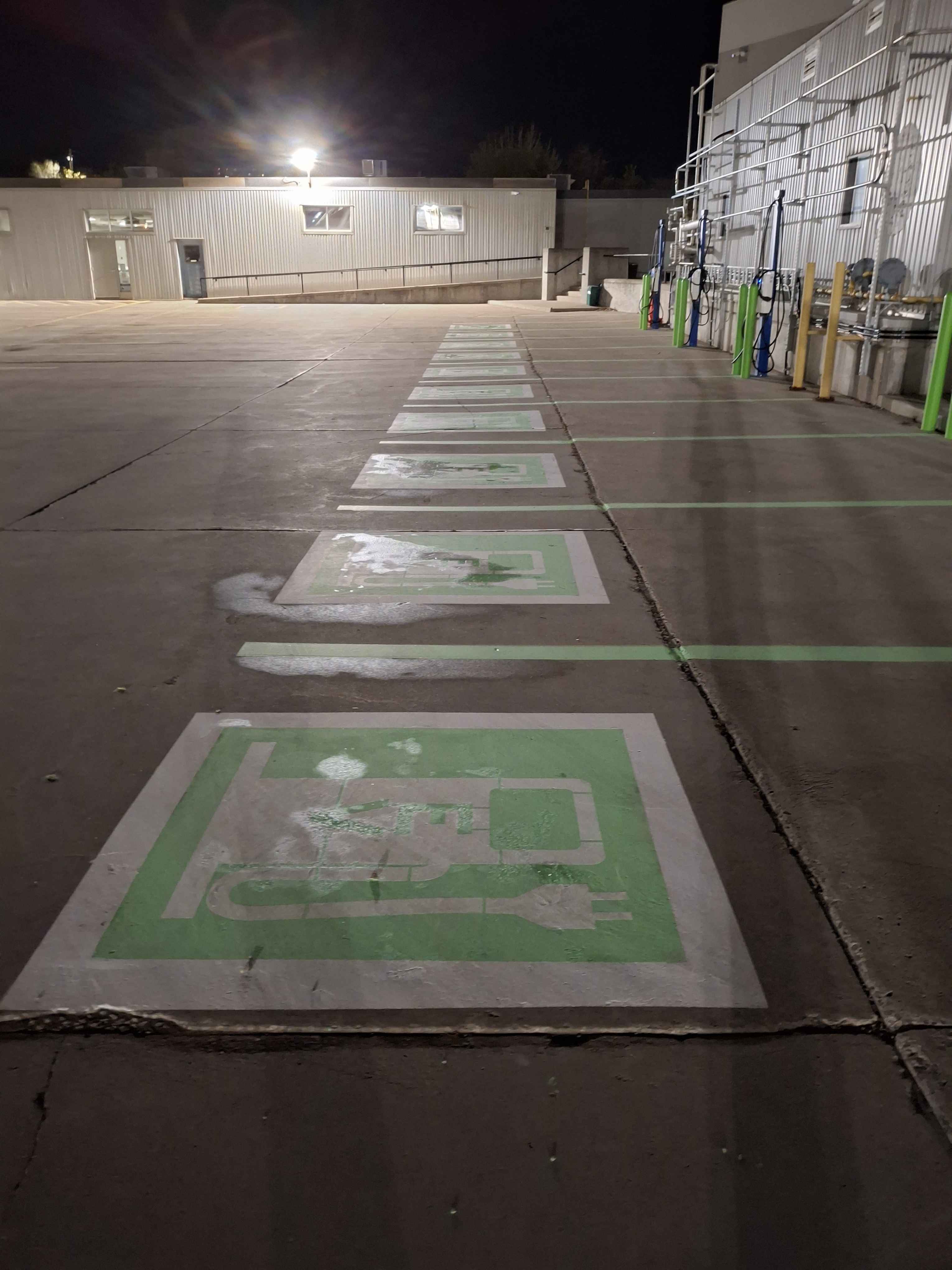
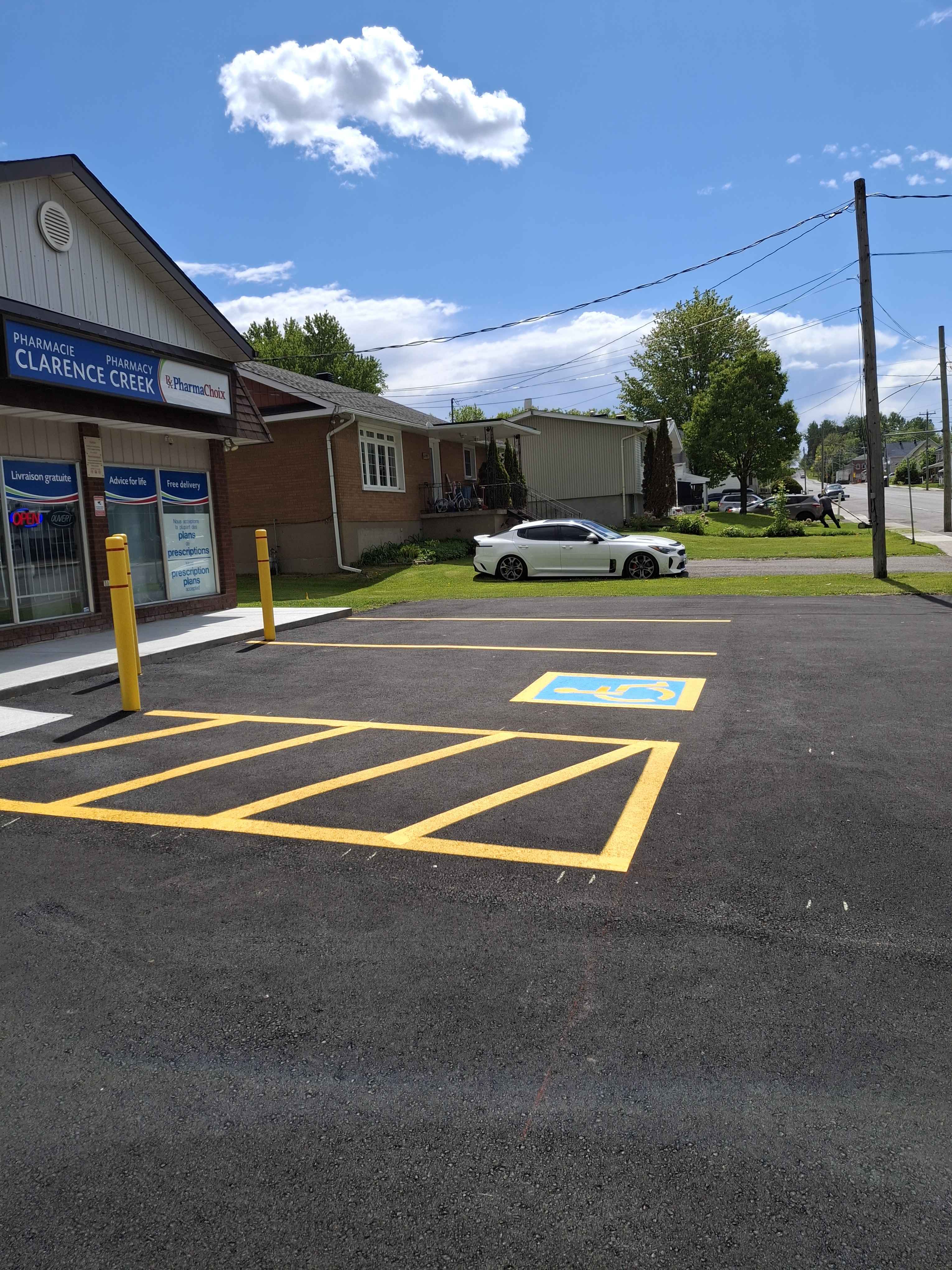
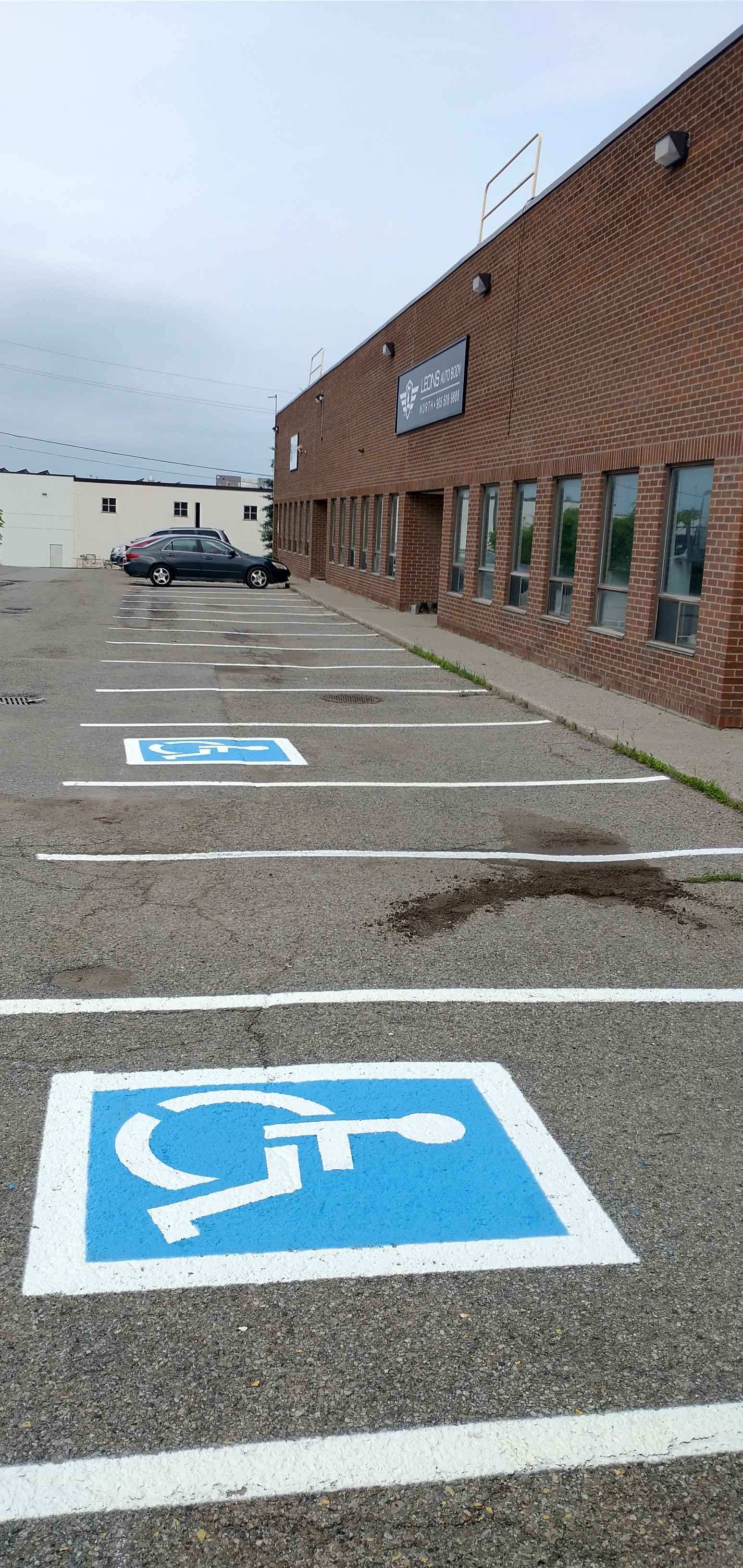
A common mistake in property maintenance is performing services in the wrong order. For a professional finish, sealcoating should always precede any Line Painting or Line Marking projects. When you apply a new sealcoat, you are creating a clean, dark canvas. This high-contrast background ensures that your parking stalls, ADA compliance markings, and directional arrows pop with clarity.
Capital Parking Lot Line Painting recommends that clients coordinate these services together. This ensures that your markings are applied to a stable, dry, and freshly sealed surface, which prevents the paint from bleeding into the pores of old, oxidized asphalt.
Common Mistakes to Avoid
Maintaining asphalt in a top 30 city like Oakville requires precision. Avoid these common pitfalls:
1. Neglecting Crack Sealing
Sealcoating is not a filler. If you have deep cracks, applying sealcoat over them will not solve the problem. You must seal the cracks first to prevent water from reaching the foundation.
2. Poor Timing
Applying sealant during rain or in temperatures that are too low will result in a failure to cure. Professional crews, like those at Capital Parking Lot Line Painting, monitor weather patterns closely to ensure optimal adhesion.
3. Skipping the Cleaning Phase
A sealcoat will only adhere to a clean surface. If there is dirt, moss, or loose debris, the coating will peel off within months.
Ready to Protect Your Pavement?
Don't wait for the cracks to appear. Regular maintenance is the most cost-effective way to manage your asphalt assets. Contact the experts today to schedule your assessment.