The Science Behind Asphalt Oxidation and How Sealcoating Helps
Understanding the chemical transformation of your pavement is the first step toward long-term durability and cost-effective maintenance.
What is Asphalt Oxidation?
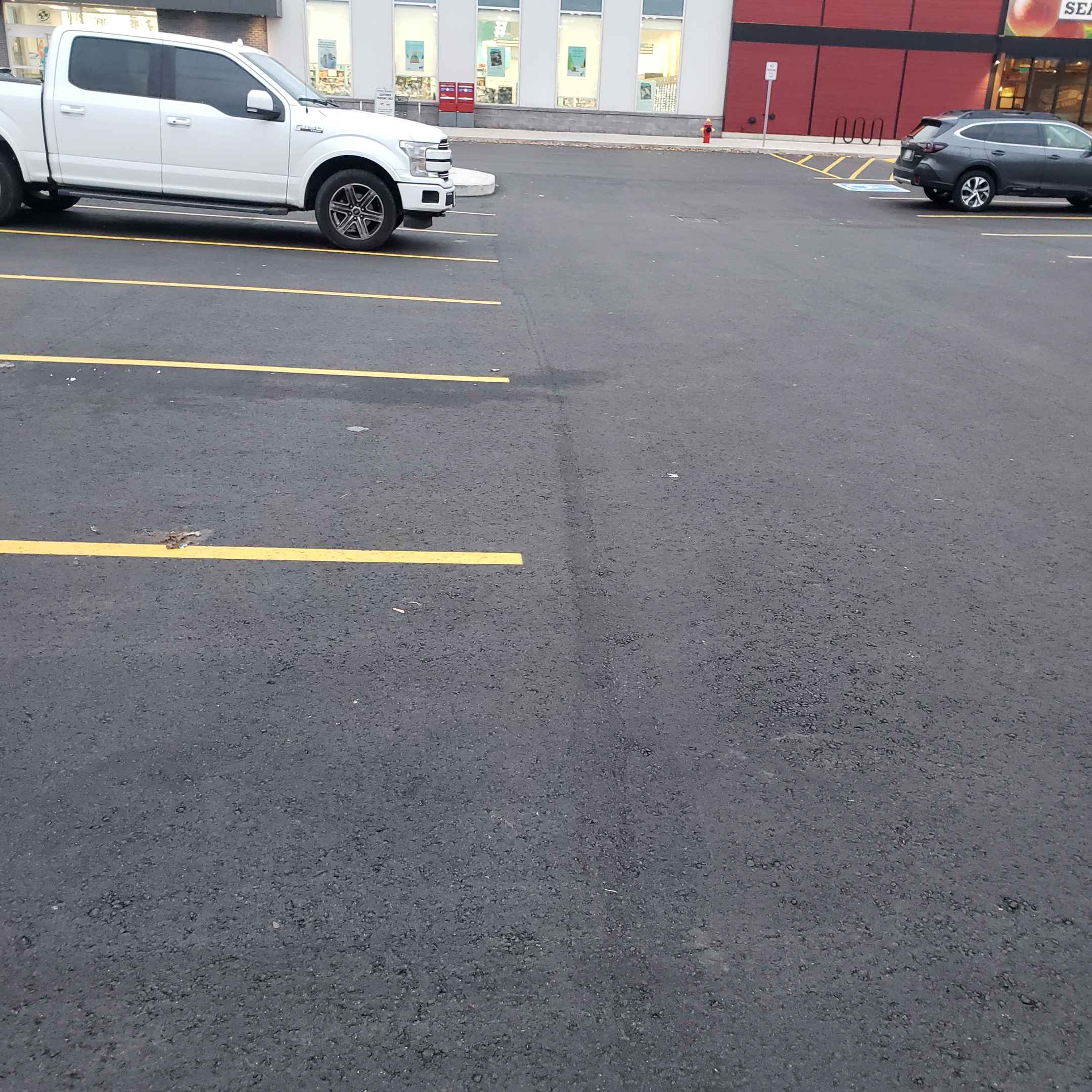
If you have ever walked across a parking lot and noticed that the surface looks light grey rather than a rich, dark black, you are witnessing a chemical phenomenon known as oxidation. While it might seem like a purely cosmetic issue, oxidation is actually a structural threat to your pavement.
Asphalt is a composite material made of mineral aggregate bound together by bitumen. Bitumen is a hydrocarbon-based substance that provides the flexibility and "glue" that keeps the pavement intact. When this bitumen is exposed to oxygen, ultraviolet (UV) radiation from the sun, and moisture, a chemical reaction occurs that changes the molecular structure of the binder.
The Chemical Breakdown: UV and Oxygen
The primary drivers of oxidation are sunlight and air. UV rays act as a catalyst, breaking the chemical bonds within the bitumen. As these bonds break, the bitumen loses its ability to remain flexible. This process is often referred to as "hardening."
In a city like Hamilton, where seasonal temperature swings are extreme, this hardening is particularly dangerous. In the summer, the sun beats down on the surface, accelerating the oxidation. In the winter, the hardened, brittle asphalt cannot expand and contract with the temperature changes, leading to micro-cracks. Once these cracks form, water enters the sub-base, leading to potholes and total structural failure.
At Capital Parking Lot Line Painting, we see the results of neglected oxidation every day. When the binder becomes too brittle, the aggregate begins to ravel, meaning the small stones literally pop out of the surface, leaving a rough, uneven texture.
How Sealcoating Acts as a Shield
Sealcoating is not just a way to make your parking lot look new again; it is a proactive defense mechanism. A high-quality sealcoat acts as a sacrificial barrier. It sits on top of the asphalt, taking the brunt of the UV radiation and oxygen exposure so that the underlying bitumen does not have to.
By applying a professional sealcoat, you are essentially "resetting" the oxidation clock. This barrier prevents water from seeping into the cracks and keeps the essential oils within the bitumen from evaporating.
Key Benefits of Regular Sealcoating:
- UV Protection: Blocks harmful rays from breaking down the bitumen bonds.
- Waterproofing: Seals micro-cracks to prevent water infiltration and freeze-thaw damage.
- Oxidation Delay: Slows the chemical hardening process, maintaining pavement flexibility.
- Aesthetic Renewal: Restores the deep black finish that enhances curb appeal.
- Oil Resistance: Helps protect against chemical spills from vehicles.
A Holistic Approach to Maintenance
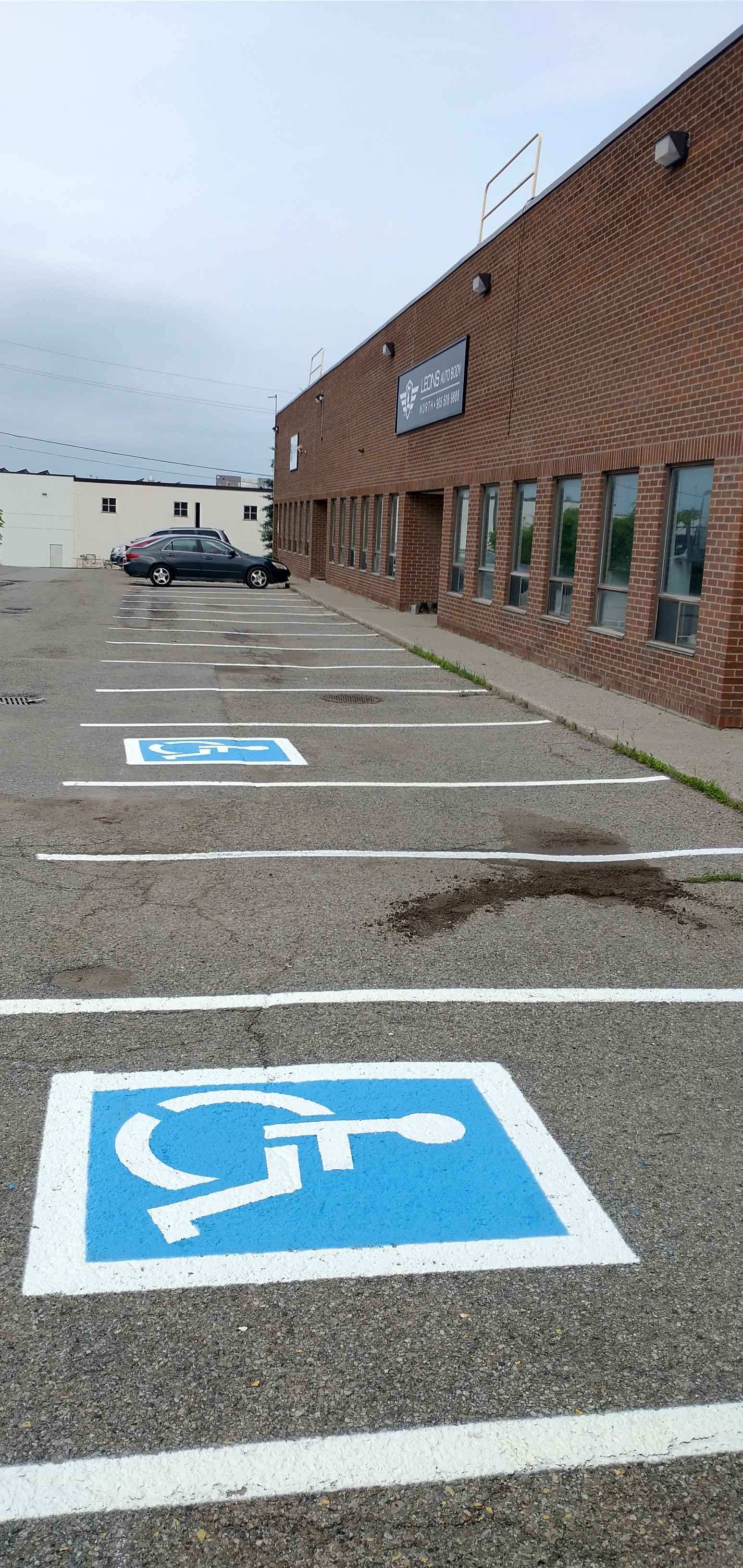
To maintain a truly professional-looking property, sealcoating should be paired with other maintenance services. For example, once your surface is sealed and protected, ensuring high visibility through professional Line Painting is essential for safety and traffic flow. Clear, crisp lines not only guide drivers but also signify a well-maintained facility.
Capital Parking Lot Line Painting recommends a cycle of maintenance that includes regular inspections, crack filling, sealcoating, and periodic Line Marking to ensure your asphalt remains in peak condition for decades rather than years.
Protect Your Investment Today
Don't wait for the cracks to appear. By the time you see large fissures in your pavement, the oxidation process has already caused significant internal damage. Proactive care in Hamilton and surrounding areas is the most effective way to extend the life of your asphalt.
Trust the experts at Capital Parking Lot Line Painting to handle your surface protection needs with precision and industry-leading materials.