The Science Behind Asphalt Cracking and How to Stop It
Understanding the molecular and environmental forces that compromise your pavement's integrity.
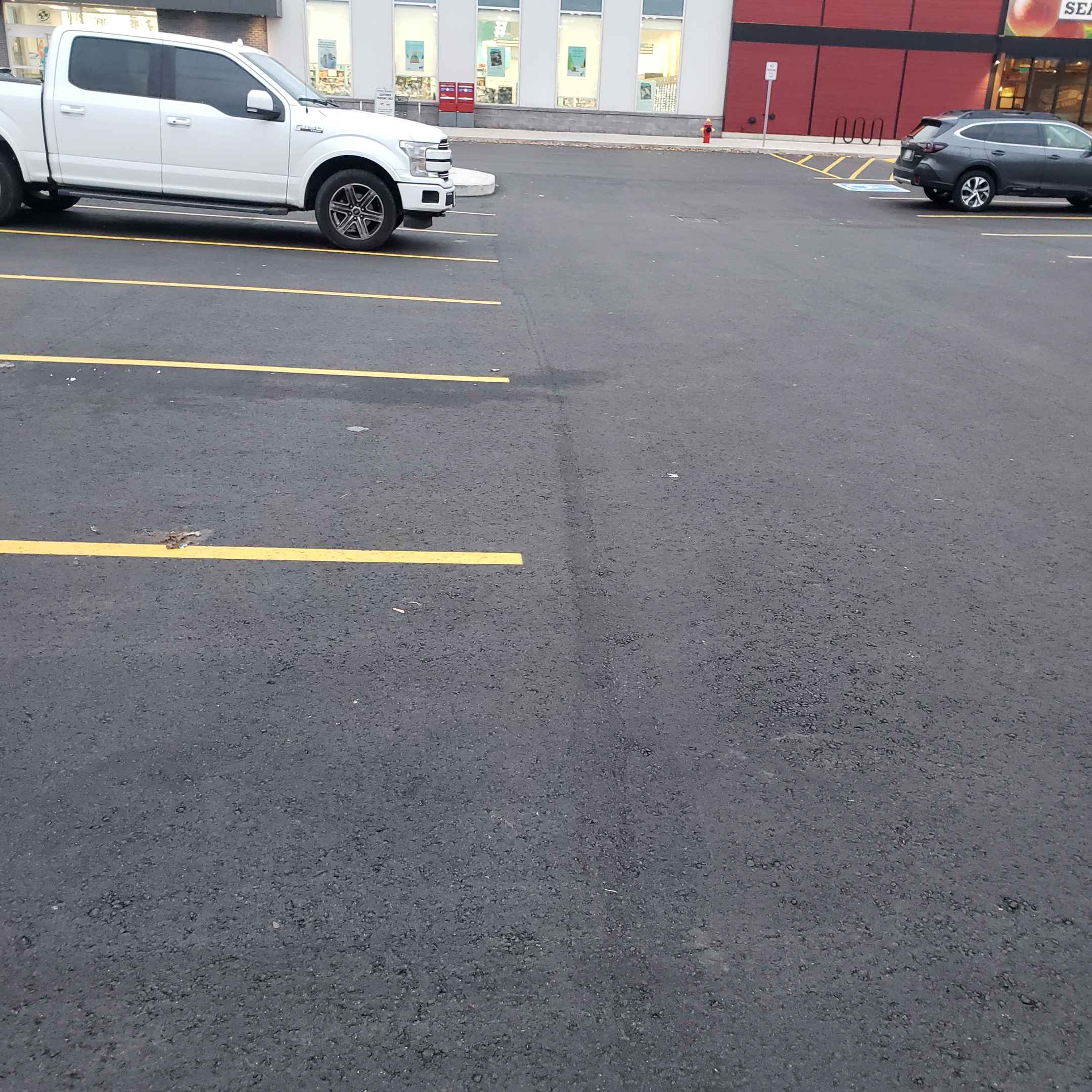
To the untrained eye, a crack in a parking lot is simply a nuisance—a jagged line disrupting a smooth surface. However, to an expert, a crack is a symptom of complex physical and chemical processes occurring deep within the pavement structure. Whether you manage a commercial complex in Oshawa or a retail hub, understanding why asphalt fails is the first step toward preventing costly structural damage.
At Capital Parking Lot Line Painting, we don't just look at the surface; we look at the lifecycle of the asphalt. By understanding the science, property owners can move from reactive repairs to proactive preservation.
The Physics of Pavement Failure
Asphalt is a viscoelastic material, meaning it possesses both viscous (fluid-like) and elastic (spring-like) properties. This duality is what makes it so effective for heavy traffic, but it also makes it susceptible to specific types of environmental stress.
1. Thermal Expansion and Contraction
One of the primary culprits behind cracking, especially in regions like Oshawa where seasonal temperature swings are dramatic, is thermal fatigue. During the heat of summer, the asphalt expands. In the freezing depths of winter, it contracts. Over hundreds of cycles, this constant movement creates internal stresses that eventually exceed the material's tensile strength, resulting in cracks.
2. Oxidation and UV Degradation
Asphalt is held together by a binder known as bitumen. When exposed to ultraviolet (UV) radiation from the sun, a chemical process called oxidation occurs. This process causes the bitumen to become brittle and lose its ability to remain flexible. Once the binder loses its elasticity, the asphalt can no longer move with the earth or the temperature, leading to "alligator cracking"—a pattern that looks like reptile skin.
Common Types of Asphalt Cracks
Identifying the type of crack can tell you exactly what is happening beneath your feet:
- Transverse Cracks: These run perpendicular to the direction of travel and are often caused by temperature changes.
- Longitudinal Cracks: These run parallel to the direction of travel and often indicate issues with the subgrade or improper compaction.
- Alligator Cracking: Small, interconnected cracks that indicate structural failure of the base layer.
- Block Cracking: Large, rectangular cracks caused by the aging and oxidation of the asphalt binder.
How to Stop the Decay: Prevention Strategies
The goal of professional pavement management is to intervene before a crack becomes a pothole. Capital Parking Lot Line Painting recommends a multi-tiered approach to maintenance.
Sealcoating: The First Line of Defense
Sealcoating acts as a protective shield against UV rays and moisture. By applying a high-quality sealant, you replenish the surface and create a barrier that slows down the oxidation process. This keeps the bitumen flexible and prevents water from seeping into the subbase.
Crack Filling and Sealing
Once a crack appears, it must be addressed immediately. Water is the enemy of asphalt; once it enters a crack, it can penetrate the base layer, causing erosion or expanding as it freezes, which widens the crack further. Professional crack sealing uses specialized hot-pour materials that bond with the existing asphalt to create a waterproof seal.
Visual Clarity and Safety
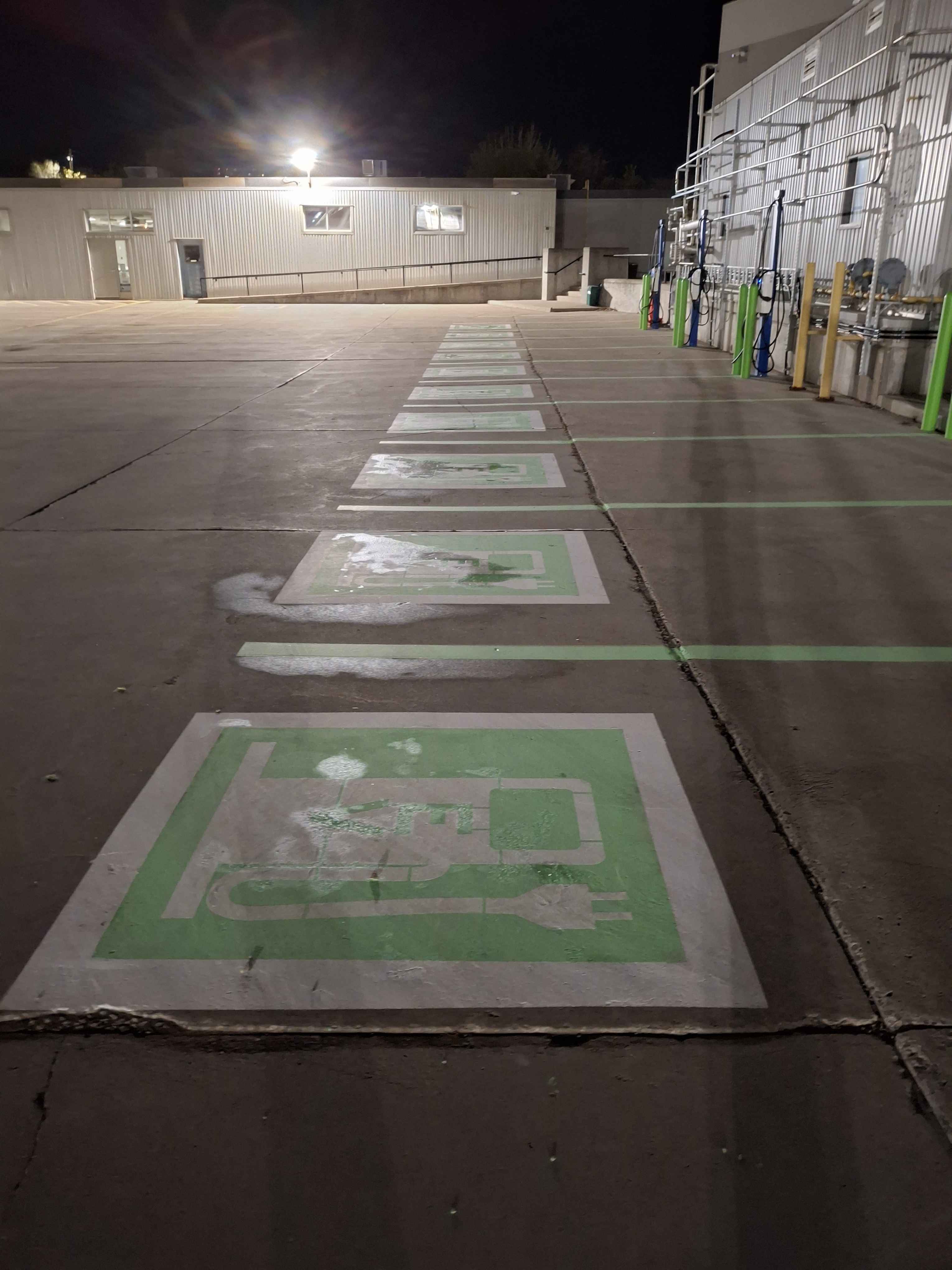
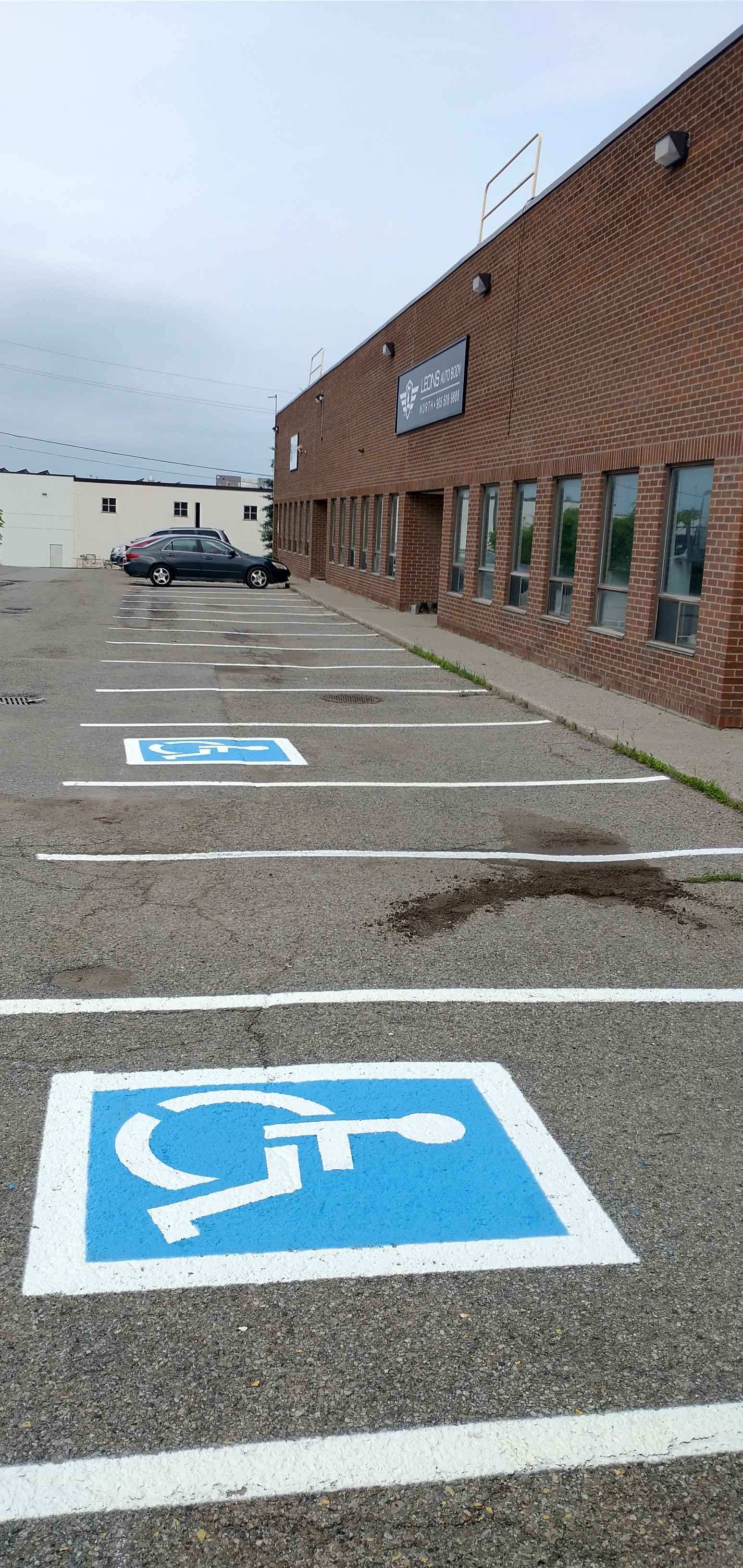
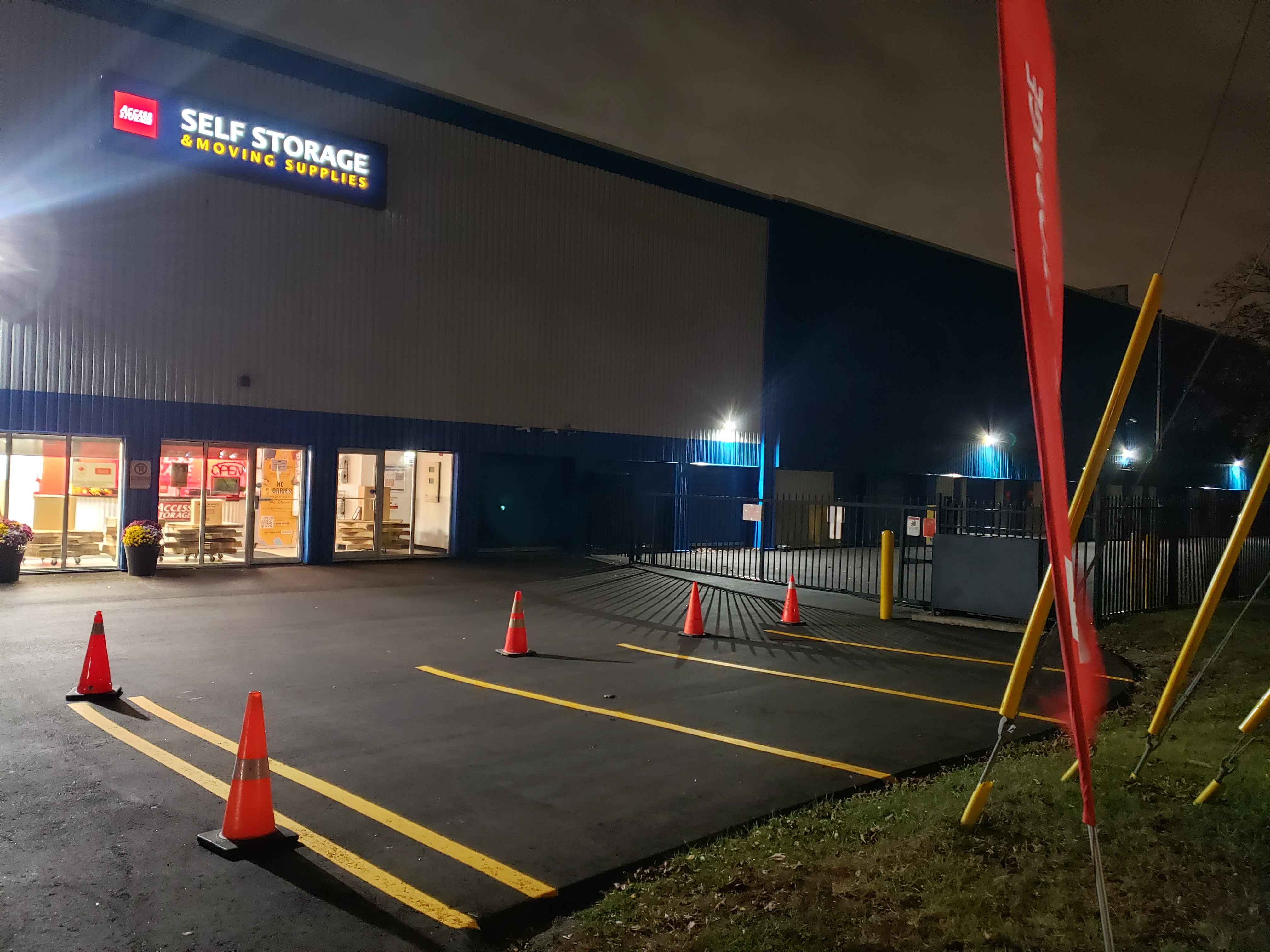
A well-maintained lot isn't just about the blacktop; it's about the markings. Once your surface is repaired and sealed, performing professional Line Painting ensures that your lot is safe, organized, and compliant with local regulations. Capital Parking Lot Line Painting specializes in ensuring your markings are crisp and highly visible against your newly protected surface.
Don't Wait for the Damage to Spread
Ignoring small cracks is a recipe for expensive reconstruction projects. Regular inspections and timely maintenance can extend the life of your asphalt by years. Trust the experts to keep your pavement smooth and your Line Marking sharp.