Top Mistakes Facility Managers Make When Overlooking Cracks
A parking lot is often the first thing a visitor sees when arriving at a commercial property. While much attention is paid to landscaping and building facades, the asphalt beneath the wheels is frequently neglected until it is too late.
The Hidden Danger of "Small" Cracks
For many facility managers, a few hairline fractures in the pavement seem like a cosmetic issue rather than a structural one. However, in regions like Niagara Falls, where the freeze-thaw cycle is aggressive, these small openings are gateways for destruction. When water enters a crack and freezes, it expands, widening the gap and pushing the sub-base apart. What started as a minor nuisance quickly evolves into a pothole or a complete structural failure.
At Capital Parking Lot Line Painting, we have seen firsthand how delaying crack repair can lead to a complete asphalt overhaul, costing significantly more than routine maintenance.
Common Mistakes in Pavement Management
Understanding where maintenance plans go wrong is the first step toward protecting your investment. Here are the most frequent errors we observe:
- 1. Treating Cracks as Cosmetic Issues: Assuming that if a car can drive over it, it isn't a problem. This ignores the underlying water infiltration issue.
- 2. Reactive Rather Than Proactive Maintenance: Waiting for a pothole to form before calling for help. By then, the foundation is already compromised.
- 3. Using Incorrect Sealants: Applying the wrong type of filler that doesn't bond with the existing asphalt, causing the repair to pop out within months.
- 4. Neglecting Line Marking Integrity: Ignoring how cracks affect the visibility of Line Marking. When the surface is uneven, your Line Painting will look unprofessional and may peel prematurely.
- 5. Ignoring Seasonal Shifts: Failing to perform inspections before the heavy winter months hit, especially in top 30 Ontario cities like Niagara Falls.
The Financial Impact of Neglect
It is a common misconception that skipping maintenance saves money. In reality, it is a form of "deferred liability." A small crack can be filled with a specialized sealant for a fraction of the cost of a patch. However, once that crack becomes a pothole, you are looking at excavation, base repair, and new asphalt application.
Furthermore, poorly maintained lots present significant liability risks. Trip-and-fall accidents caused by uneven pavement can lead to legal complications that far outweigh the cost of regular upkeep. Capital Parking Lot Line Painting recommends a scheduled inspection twice a year to catch these issues before they escalate.
How to Implement a Better Maintenance Strategy
To avoid these pitfalls, facility managers should adopt a multi-layered approach to lot health. This involves more than just patching holes; it involves a holistic view of the surface.
Step 1: Regular Visual Inspections
Walk your lot during different light conditions. Shadows often highlight cracks that are invisible during high noon. Look for signs of water pooling, which indicates poor drainage and potential sub-surface erosion.
Step 2: Professional Crack Sealing
When cracks are identified, they should be cleaned of debris and filled with high-quality hot-pour rubberized sealant. This provides a flexible barrier that moves with the temperature changes.
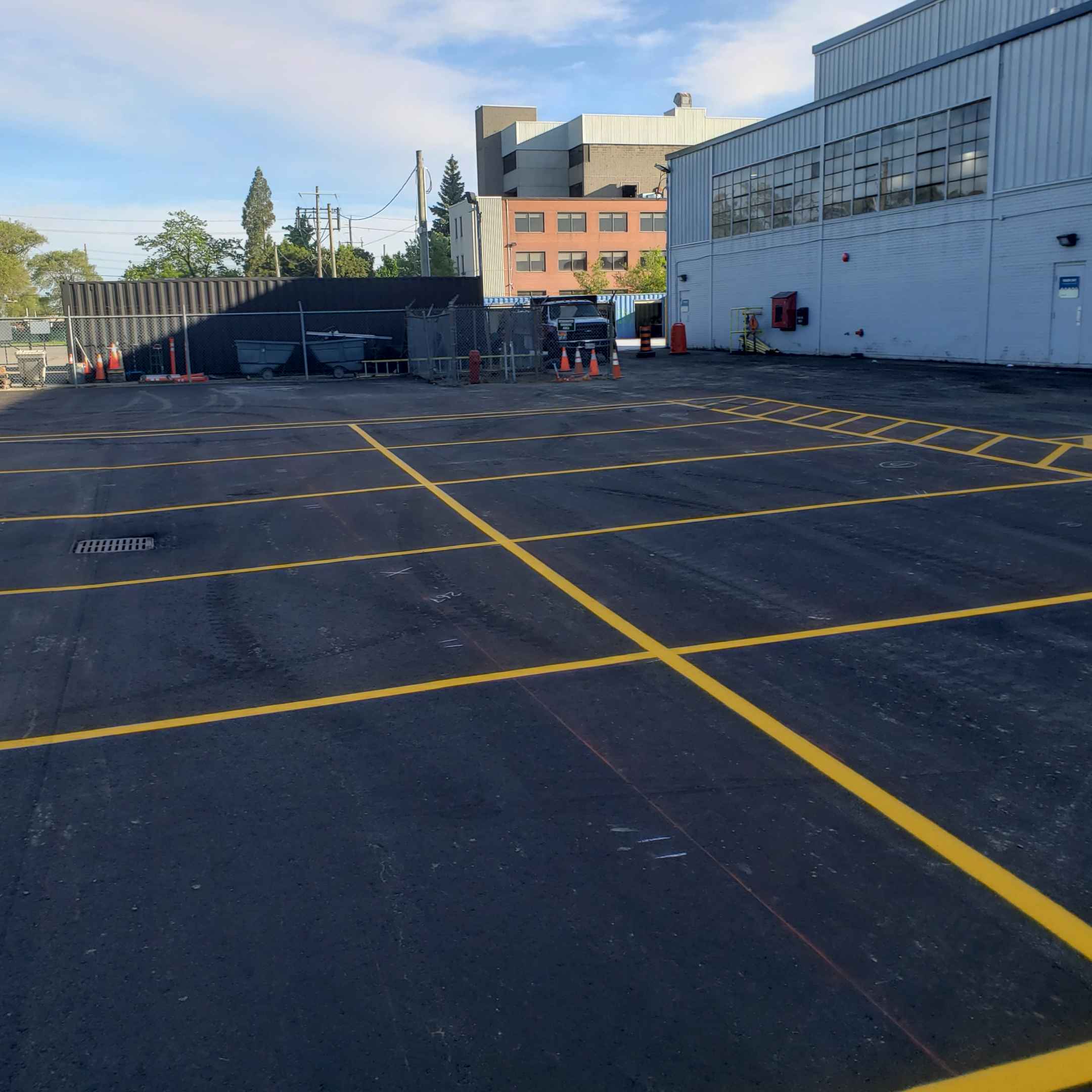
Step 3: Refreshing Line Marking
Once the surface is stable and cracks are sealed, it is time to address the aesthetics and safety of the lot. Fresh Line Painting ensures that traffic flow is directed correctly, reducing the risk of collisions and improving the overall professional appearance of your facility.
Summary Checklist for Managers
Don't wait for the pavement to fail. Partner with experts like Capital Parking Lot Line Painting to ensure your property remains safe, functional, and visually appealing for years to come.