Top Mistakes Facility Managers Make When Overlooking Cracks
Small fissures today can become massive potholes tomorrow. Learn how to protect your facility's longevity.
For facility managers, the daily checklist is endless. From HVAC systems to security protocols, the sheer volume of responsibilities can make it easy to miss the subtle signs of deterioration in the parking lot. However, ignoring cracks in the asphalt is one of the most expensive mistakes a property owner can make. What starts as a hairline fracture can quickly evolve into a structural failure that compromises the safety of your visitors and the integrity of your pavement.
At Capital Parking Lot Line Painting, we see the long-term consequences of deferred maintenance every day. Understanding the lifecycle of asphalt is crucial to preventing unnecessary capital expenditures.
1. The 'Wait and See' Approach
The most common mistake is treating cracks as an aesthetic issue rather than a structural one. Many managers believe that if a crack isn't wide enough to trip someone, it doesn't require immediate attention. This is a dangerous misconception.
In a high-traffic area like Mississauga, weather fluctuations—especially the freeze-thaw cycles common in Ontario—act as a wedge. Water enters those tiny cracks, freezes, expands, and forces the asphalt apart. By the time a crack becomes "obvious," the sub-base may already be compromised.
2. Misidentifying the Type of Crack
Not all cracks are created equal. Facility managers often fail to distinguish between surface-level shrinkage cracks and deep structural cracks. Treating a deep structural issue with a simple surface sealer is a waste of resources, as the crack will reappear within months.
Common Crack Categories:
- Hairline Cracks: Usually caused by the natural curing process or minor temperature shifts.
- Alligator Cracking: A series of interconnected cracks that resemble reptile skin, indicating significant structural failure.
- Longitudinal Cracks: Running parallel to the direction of travel, often caused by poor joint construction.
- Transverse Cracks: Running perpendicular to the direction of travel, typically caused by thermal expansion and contraction.
3. Neglecting the Synergy Between Repair and Aesthetics
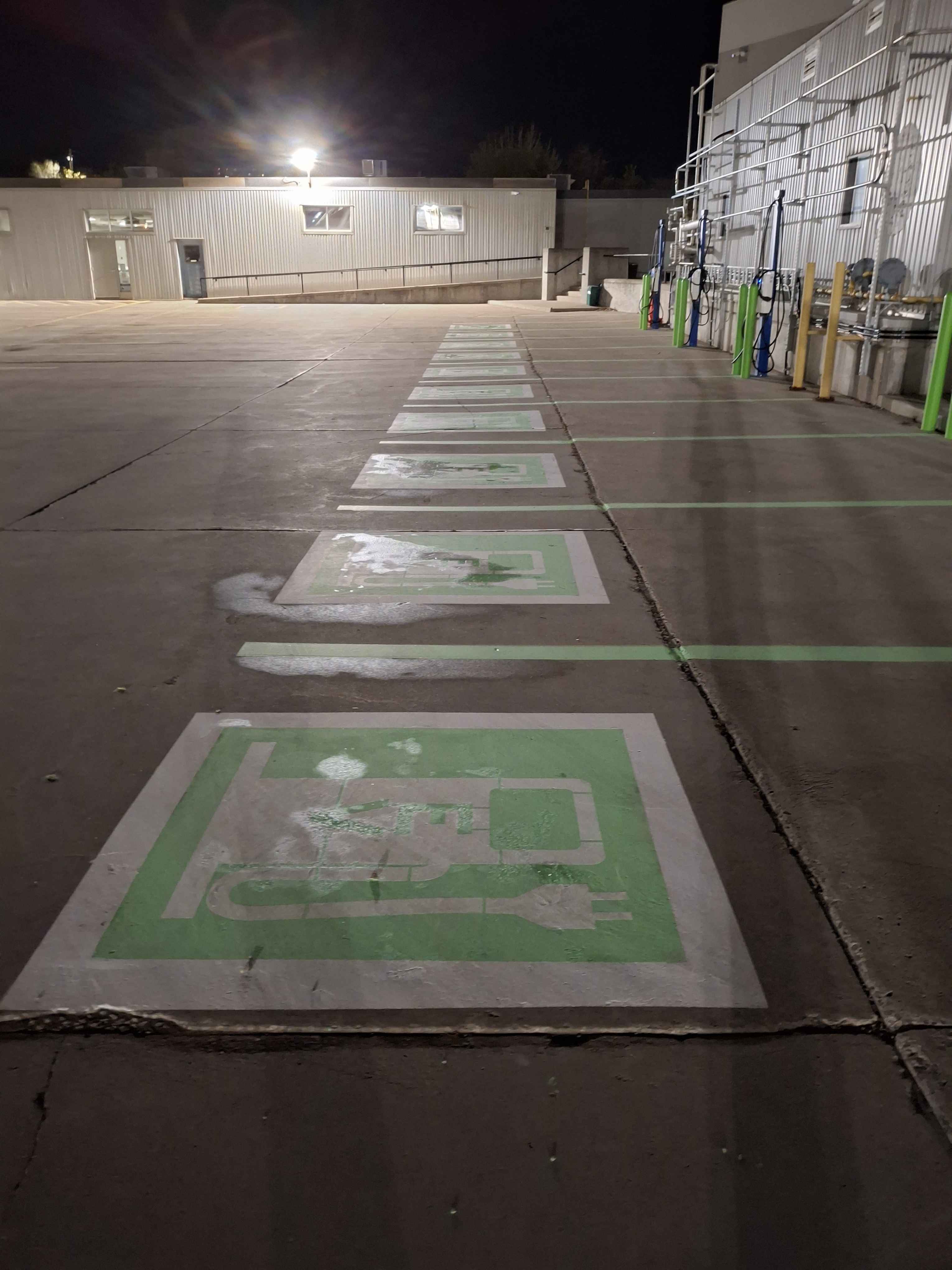
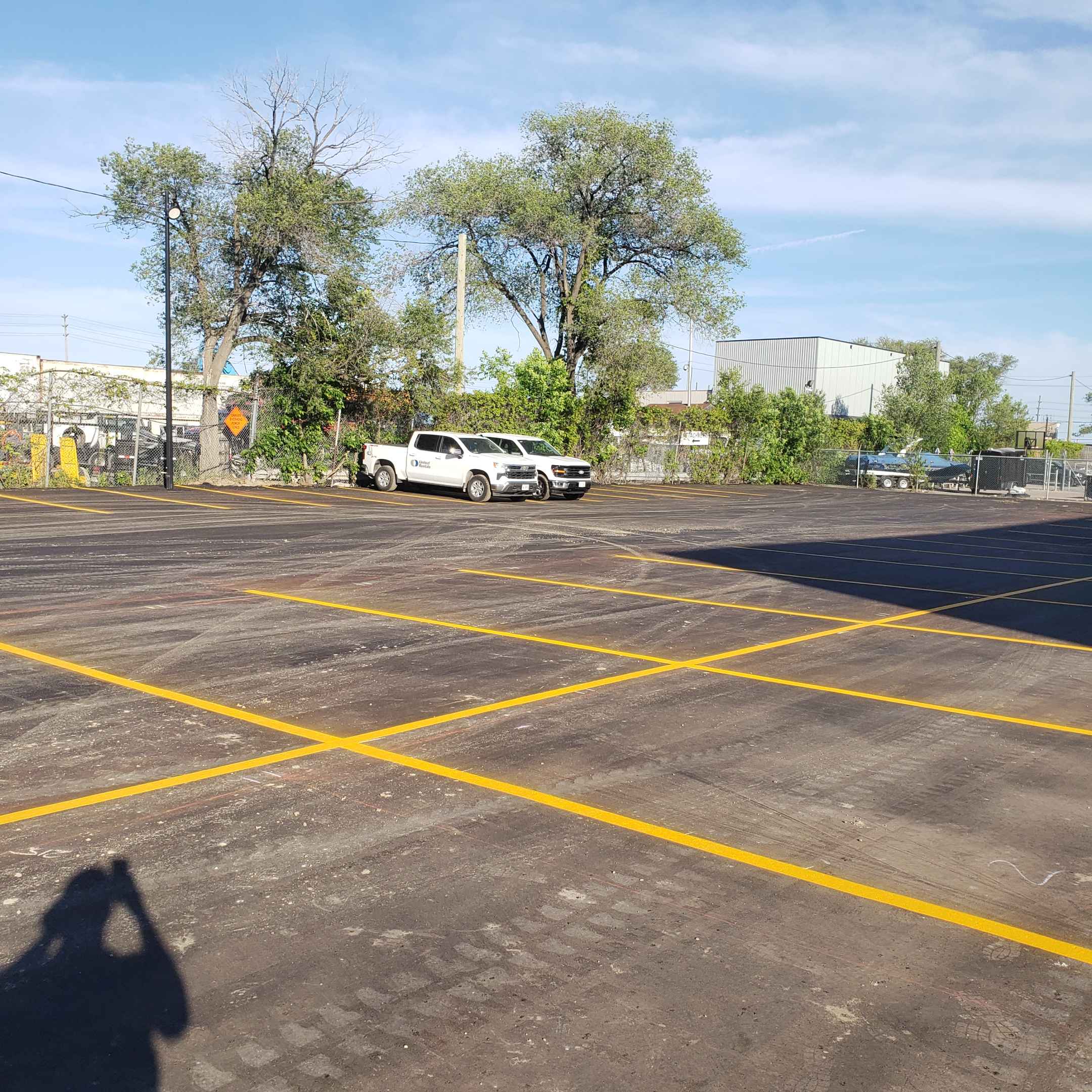
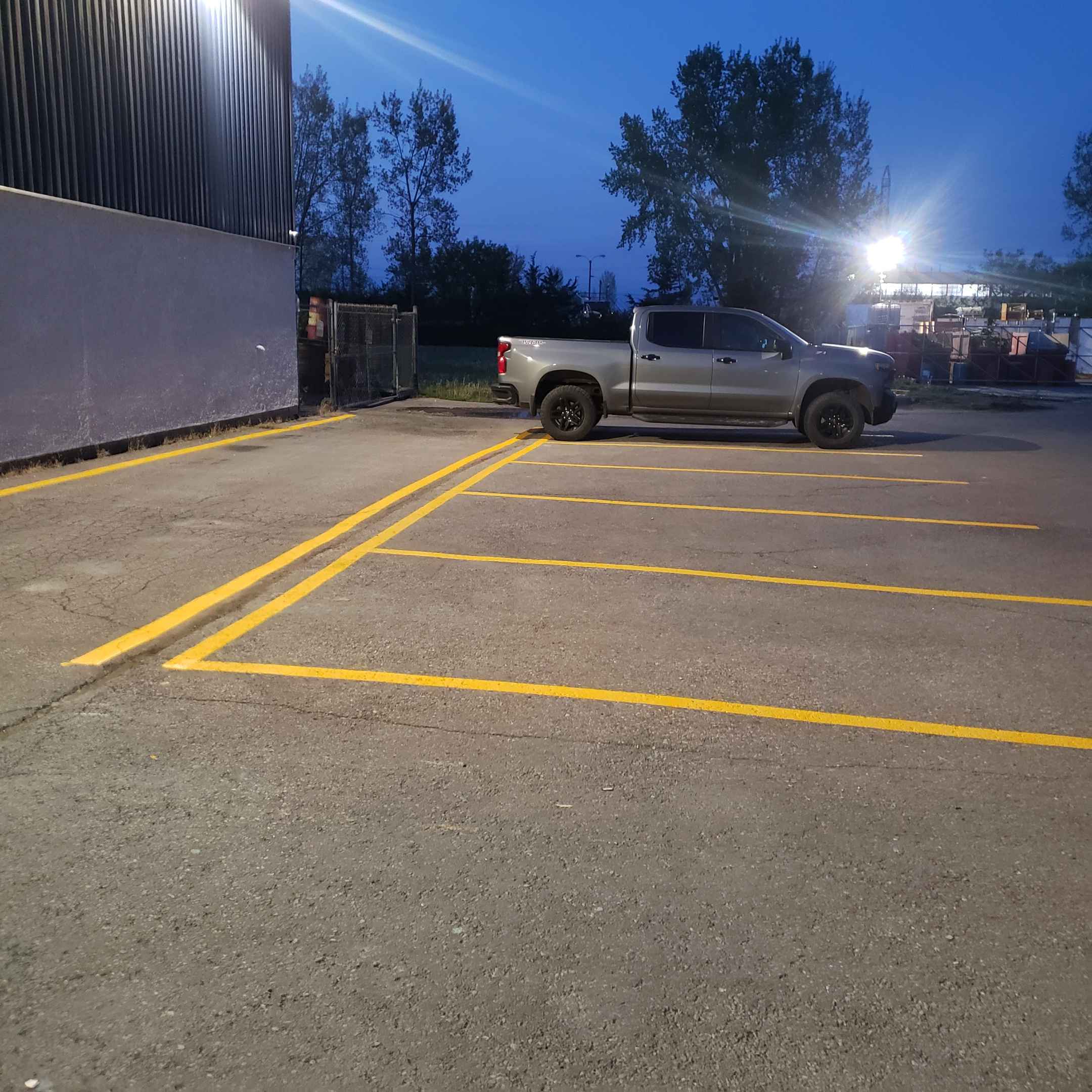
A major oversight is focusing solely on the structural repair while ignoring the visual cues of a well-maintained lot. A lot that has been patched but lacks clear, bright markings looks neglected. Proper line marking and line painting should be part of your holistic maintenance strategy.
When you combine professional crack filling with fresh line painting, you achieve two goals: you protect the physical asset and you enhance the professional image of your facility. Capital Parking Lot Line Painting recommends integrating these services to ensure your property looks as good as it performs.
4. Choosing the Wrong Repair Materials
Using DIY-grade sealants or low-quality fillers is a recipe for disaster. These materials often lack the elasticity required to move with the asphalt during temperature changes. When the material snaps, it creates new entry points for water. Professional services utilize industrial-grade hot rubberized crack fillers that bond deeply with the existing substrate.
The Proactive Solution
If you are managing a property in a top 30 city like Mississauga, you are likely dealing with heavy vehicle loads and significant seasonal weather shifts. To avoid the trap of reactive maintenance, follow these steps:
- Conduct bi-annual inspections (Spring and Fall).
- Document crack locations to track progression.
- Schedule professional crack filling before the winter freeze.
- Coordinate line marking updates with your repair schedule to minimize downtime.
By partnering with experts like Capital Parking Lot Line Painting, you ensure that your maintenance decisions are backed by industry knowledge rather than guesswork.
Don't Wait for the Potholes
Preventative maintenance is the most effective way to extend the life of your asphalt and keep your facility safe for everyone.