The Role of Sealcoating in Long-Term Asphalt Maintenance
Protecting your investment starts from the surface up. Understanding the science of sealcoating is the first step toward extending the life of your pavement.
Asphalt is a resilient material, but it is far from indestructible. Whether you manage a retail complex, an industrial warehouse, or a residential community, the pavement you rely on is constantly under siege. From the scorching summer sun to the harsh, freezing winters common in Ontario, your parking lot faces a relentless cycle of expansion and contraction. This is where professional sealcoating becomes a game-changer.
At Capital Parking Lot Line Painting, we have seen firsthand how proactive maintenance can save property owners thousands of dollars in premature reconstruction costs. Sealcoating isn't just about making your lot look black and shiny; it is a fundamental layer of defense that preserves the structural integrity of the asphalt binder.
What Exactly is Sealcoating?
Sealcoating is the application of a liquid protective coating over the surface of an asphalt pavement. This coating acts as a barrier, sealing the tiny pores and cracks that naturally occur in asphalt. By filling these voids, the sealant prevents water, oil, and chemical pollutants from penetrating deep into the asphalt base.
In a bustling area like Milton, where traffic volume and weather fluctuations can be intense, maintaining a sealed surface is essential. Without this protective layer, the bitumen—the "glue" that holds the asphalt together—begins to oxidize and dry out, leading to crumbling and structural failure.
The Core Benefits of Regular Sealcoating
Investing in a regular sealcoating schedule offers several multifaceted advantages for property managers and owners:
- UV Protection: Sunlight breaks down the chemical bonds in asphalt. Sealcoating acts as a sunscreen for your pavement.
- Waterproofing: By sealing cracks, you prevent water from seeping into the sub-base, which prevents potholes caused by freeze-thaw cycles.
- Chemical Resistance: Spilled oil, gasoline, and road salts can dissolve asphalt binders. A sealant provides a sacrificial layer that takes the damage instead of the pavement.
- Enhanced Aesthetics: A freshly sealed lot provides a deep, uniform black finish that significantly boosts curb appeal.
- Improved Safety: When combined with professional Line Marking, a dark, clean surface makes parking stalls and pedestrian crossings much more visible.
The Relationship Between Sealcoating and Line Marking
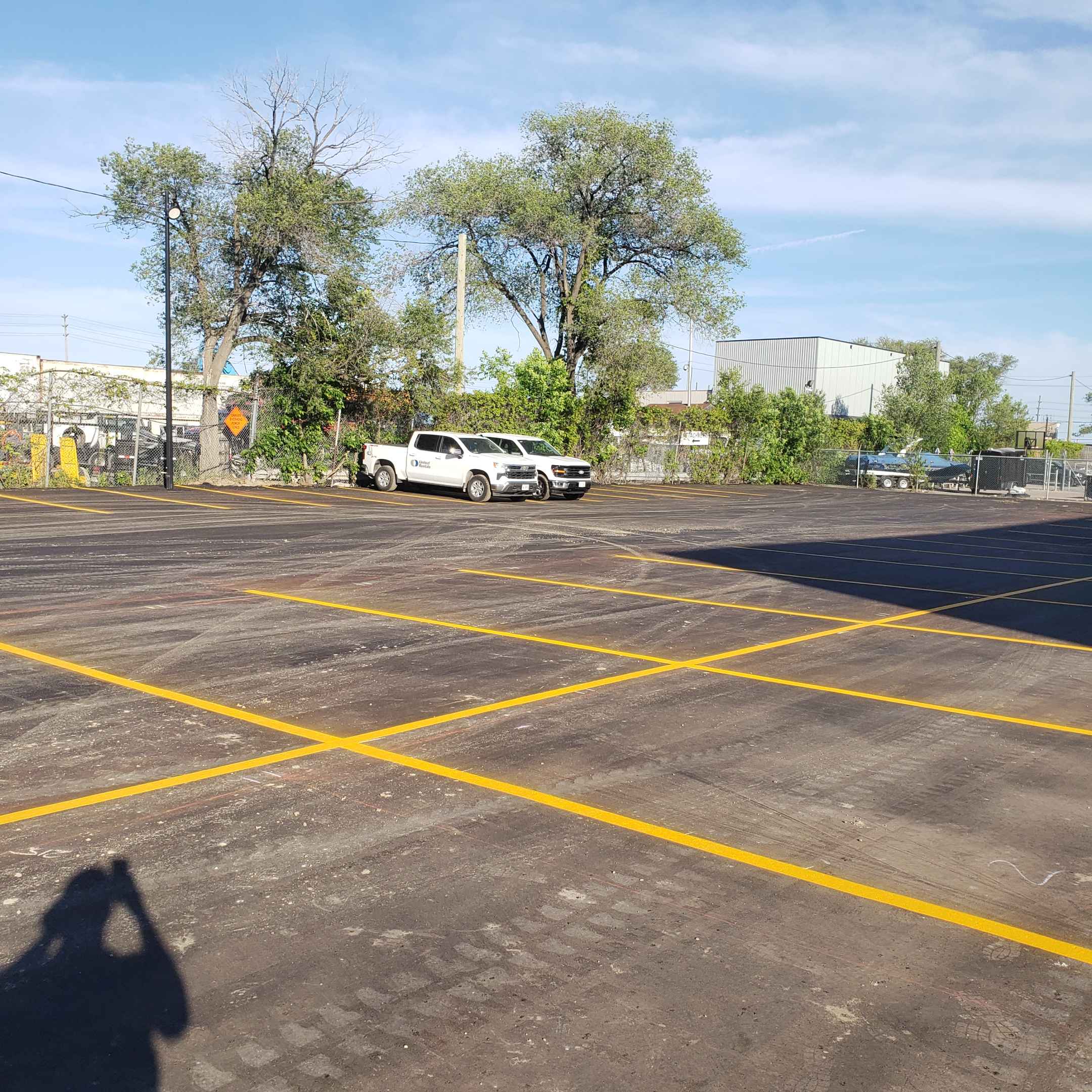
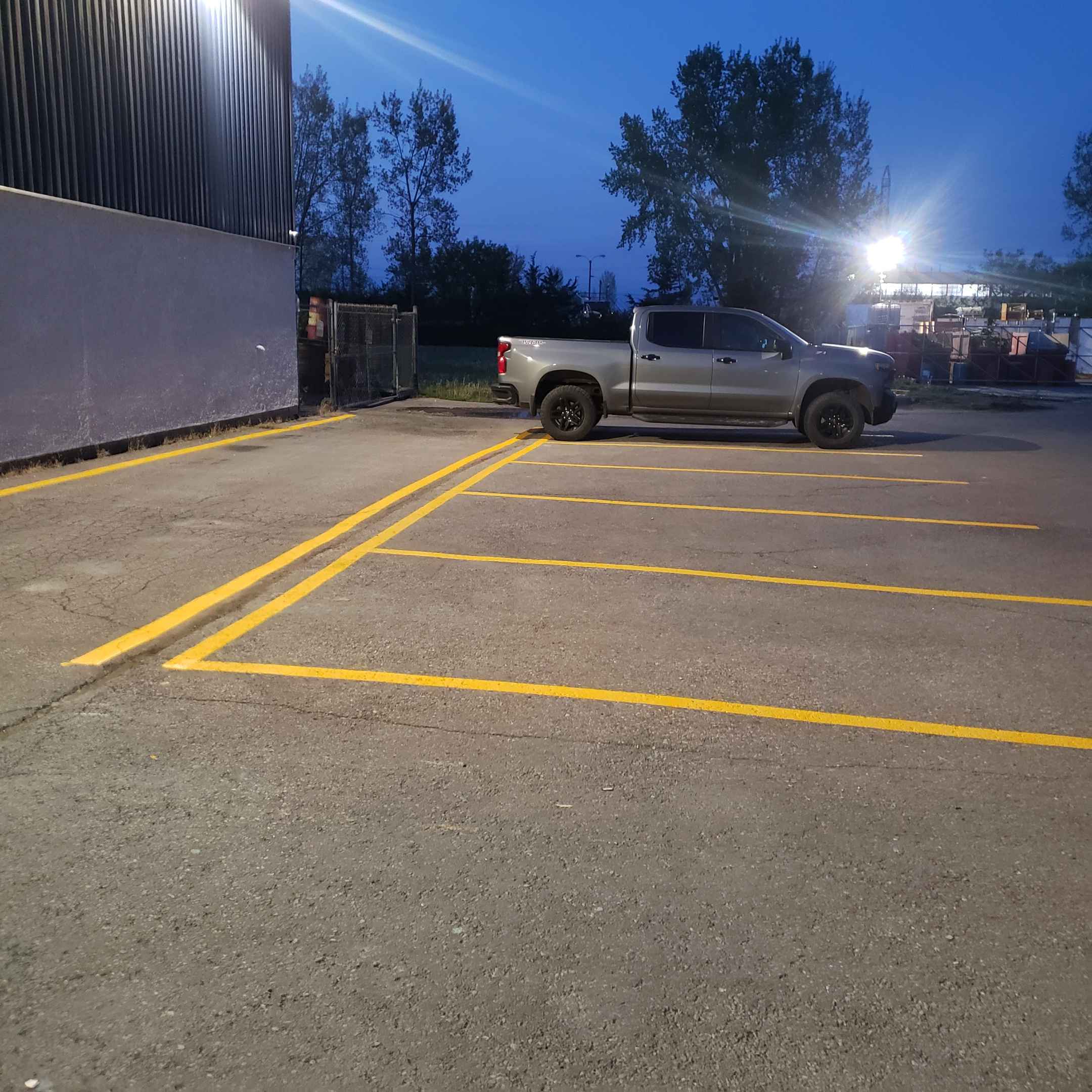
A common mistake property owners make is treating sealcoating and Line Painting as separate, unrelated tasks. In reality, they are two halves of a complete maintenance strategy. For the best results, Line Marking should be performed after the sealcoating has fully cured.
The high contrast between a freshly sealed, dark asphalt surface and crisp, bright white or yellow lines provides maximum visibility for drivers. Capital Parking Lot Line Painting recommends this synchronized approach to ensure that your safety markings are not only durable but also visually striking, reducing the risk of accidents in your lot.
Ready to Protect Your Property?
Don't wait for cracks to become craters. Regular maintenance is the most cost-effective way to manage your asphalt. Whether you are located in the heart of Milton or the surrounding areas, our team is ready to assist.
Common Mistakes to Avoid
To ensure your maintenance budget is well-spent, avoid these frequent pitfalls:
- Delaying Maintenance: Waiting until the asphalt is crumbling means you are no longer sealcoating; you are performing expensive repairs.
- Ignoring Minor Cracks: Sealcoating is a surface treatment. If you have deep cracks, they must be filled with a crack sealant before the coating is applied.
- DIY Applications: Commercial-grade sealants are different from residential driveway products. For large-scale lots, professional equipment and materials are necessary for even coverage.
By partnering with Capital Parking Lot Line Painting, you ensure that the job is done with industrial-strength materials and precision techniques that DIY methods simply cannot match.
Conclusion
Sealcoating is not an optional luxury; it is a vital necessity for long-term asphalt health. By creating a barrier against the elements, enhancing the visibility of your Line Painting, and preserving the structural integrity of your pavement, you are making a smart financial decision for your property.