How to Spot Structural Cracks in Commercial Lots
Maintaining the integrity of your commercial asphalt is more than just aesthetics; it is a critical component of risk management and asset preservation.
For property owners and managers, a parking lot is often the first thing a customer sees. However, beneath the surface of a well-maintained lot lies a complex system of structural integrity. Over time, environmental stressors, heavy vehicle traffic, and temperature fluctuations can lead to the development of cracks. If left unaddressed, these small fissures can evolve into major structural failures.
In a climate like that of Thunder Bay, where extreme freeze-thaw cycles are a regular occurrence, the importance of early detection cannot be overstated. Understanding the difference between cosmetic surface issues and deep structural cracks can save you significant time and resources. This is where the expertise of Capital Parking Lot Line Painting becomes invaluable, ensuring your lot remains functional and safe.
Understanding the Different Types of Cracks
Not all cracks are created equal. To effectively manage your lot, you must first learn to categorize what you are seeing on the pavement.
1. Hairline or Surface Cracks
These are typically very thin and do not penetrate deep into the asphalt base. They are often caused by the natural aging of the bitumen or minor shrinkage during the initial curing process. While they may look unsightly, they are generally considered cosmetic and can often be managed through routine maintenance and professional Line Marking to keep the lot looking sharp.
2. Alligator Cracking
Named for its resemblance to the skin of an alligator, this pattern consists of many small, interconnected cracks forming a polygon shape. This is a serious red flag. Alligator cracking usually indicates a failure in the subgrade or the base layer of the lot. It suggests that the foundation is no longer supporting the weight of the vehicles, leading to structural instability.
3. Longitudinal and Transverse Cracking
Longitudinal cracks run parallel to the direction of travel, while transverse cracks run perpendicular to it. While these can sometimes be simple expansion joints, they often signal that the asphalt is shifting or that the underlying base is uneven. In cities like Thunder Bay, these are frequently exacerbated by the expansion and contraction of the ground during seasonal shifts.
Common Causes of Pavement Failure
Identifying the crack is only half the battle; you must also understand why it happened to prevent it from returning. Common culprits include:
- Subgrade Instability: Poor soil compaction or water infiltration weakening the base.
- Heavy Load Stress: Constant movement of heavy delivery trucks or heavy machinery.
- Environmental Extremes: The relentless freeze-thaw cycles that expand water trapped in small crevices.
- Age and Oxidation: As asphalt ages, it loses its flexibility, making it brittle and prone to breaking.
- Improper Drainage: Standing water is the enemy of asphalt, as it seeps into the foundation and weakens the structure.
The Importance of Proactive Maintenance
Waiting until a pothole forms is a reactive strategy that often leads to much higher costs and increased liability. A proactive approach involves regular inspections and timely interventions. When you notice the early signs of distress, contacting Capital Parking Lot Line Painting can help you implement a maintenance plan that addresses both structural repairs and visual clarity.
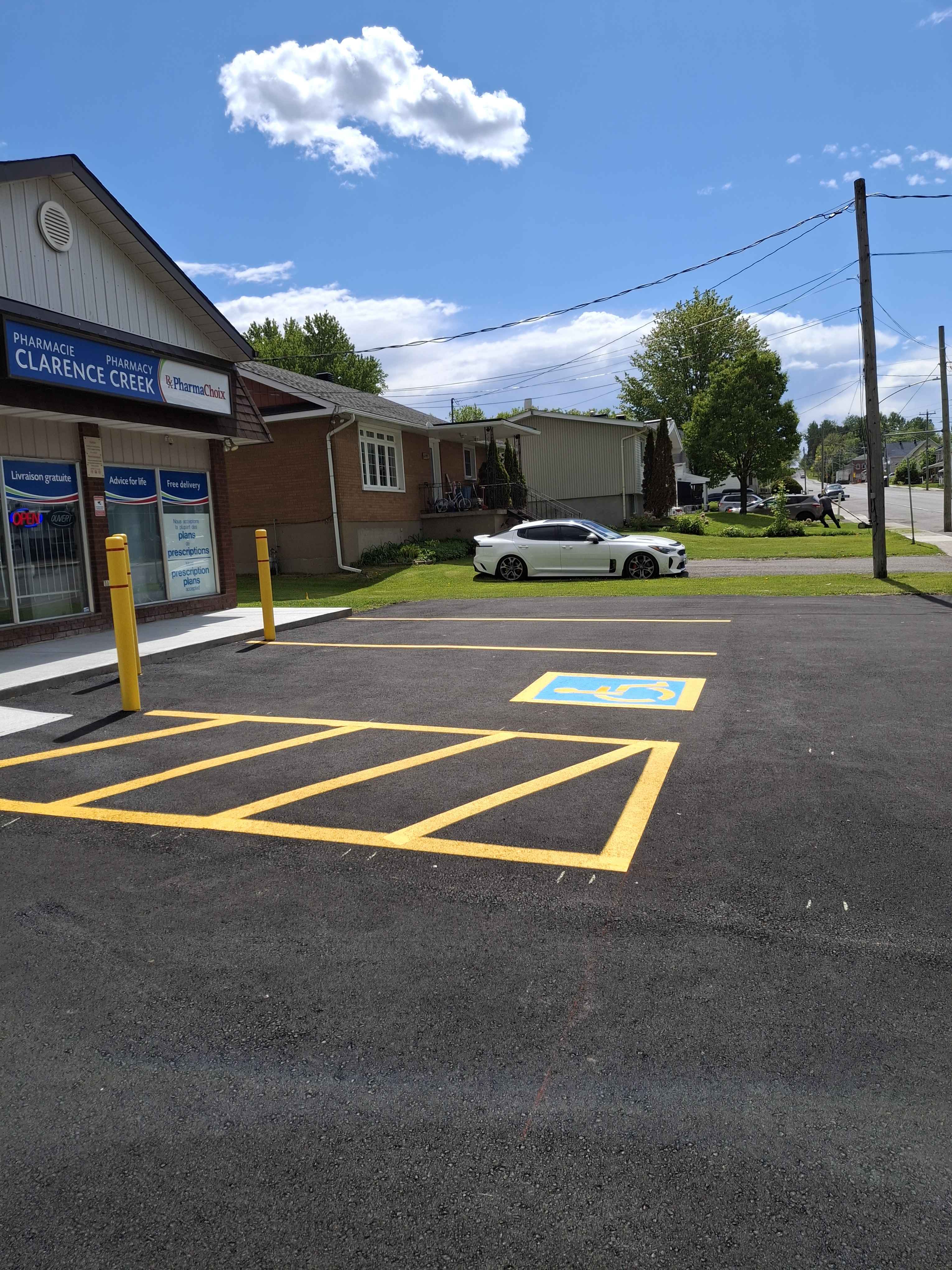
A well-maintained lot doesn't just prevent accidents; it improves the overall professional image of your business. High-quality Line Painting ensures that traffic flow is organized, parking stalls are clearly defined, and ADA-compliant spaces are easily identifiable, which is crucial for legal compliance and customer satisfaction.
Don't Ignore the Signs
Small cracks today lead to massive excavations tomorrow. By integrating regular inspections with professional services like Capital Parking Lot Line Painting, you ensure your commercial property remains an asset rather than a liability. Keep a close eye on your lot, especially after the spring thaw, to catch these issues before they escalate.