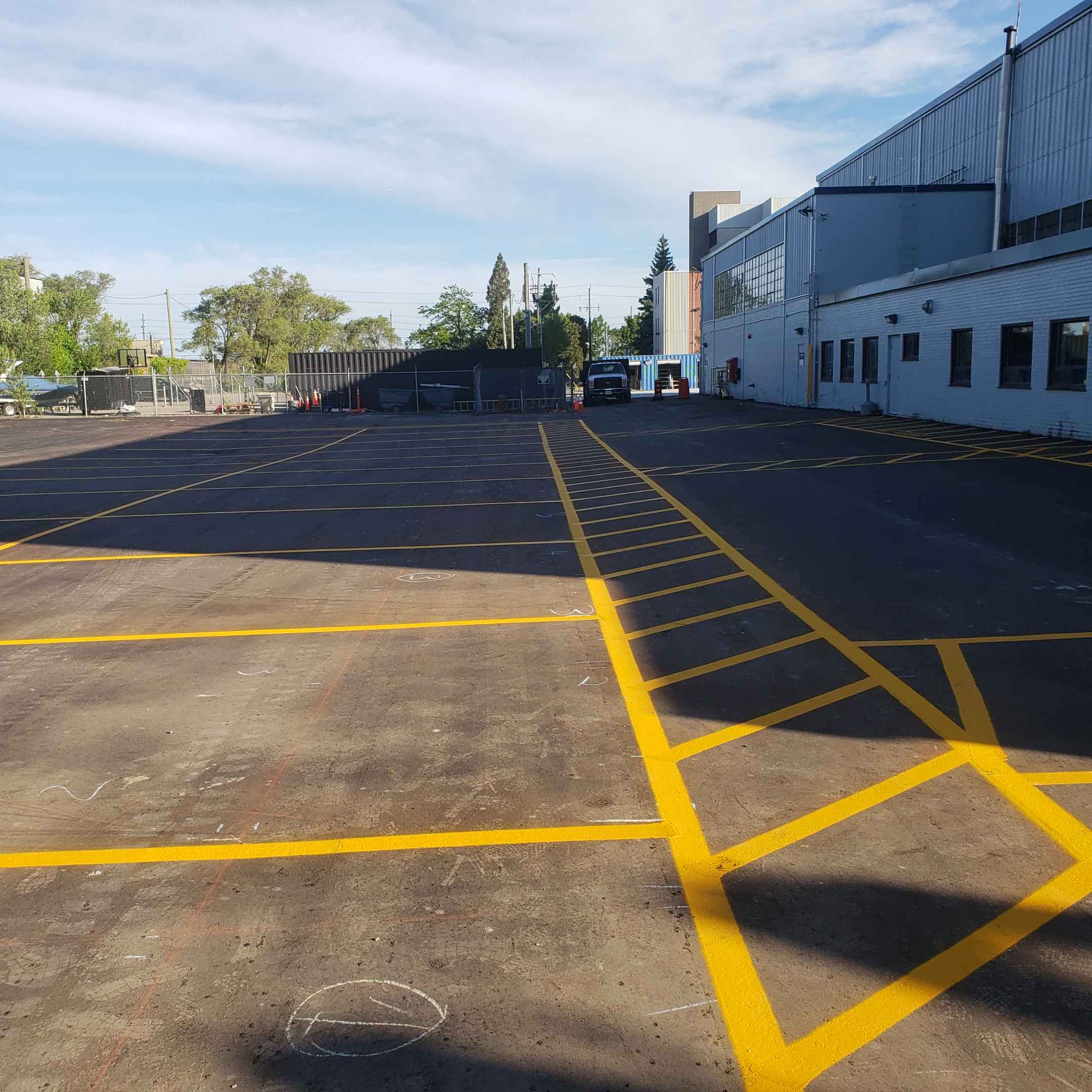
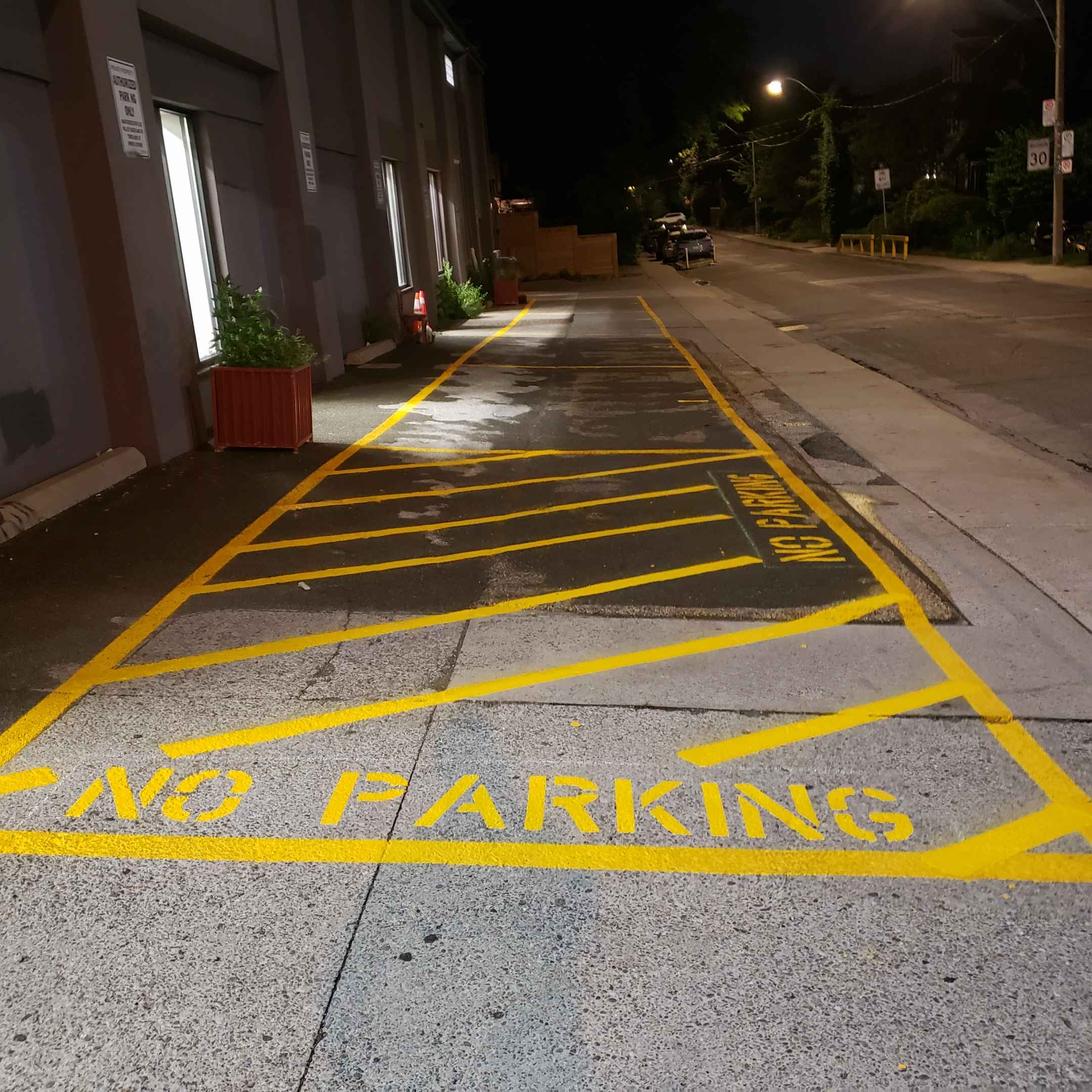
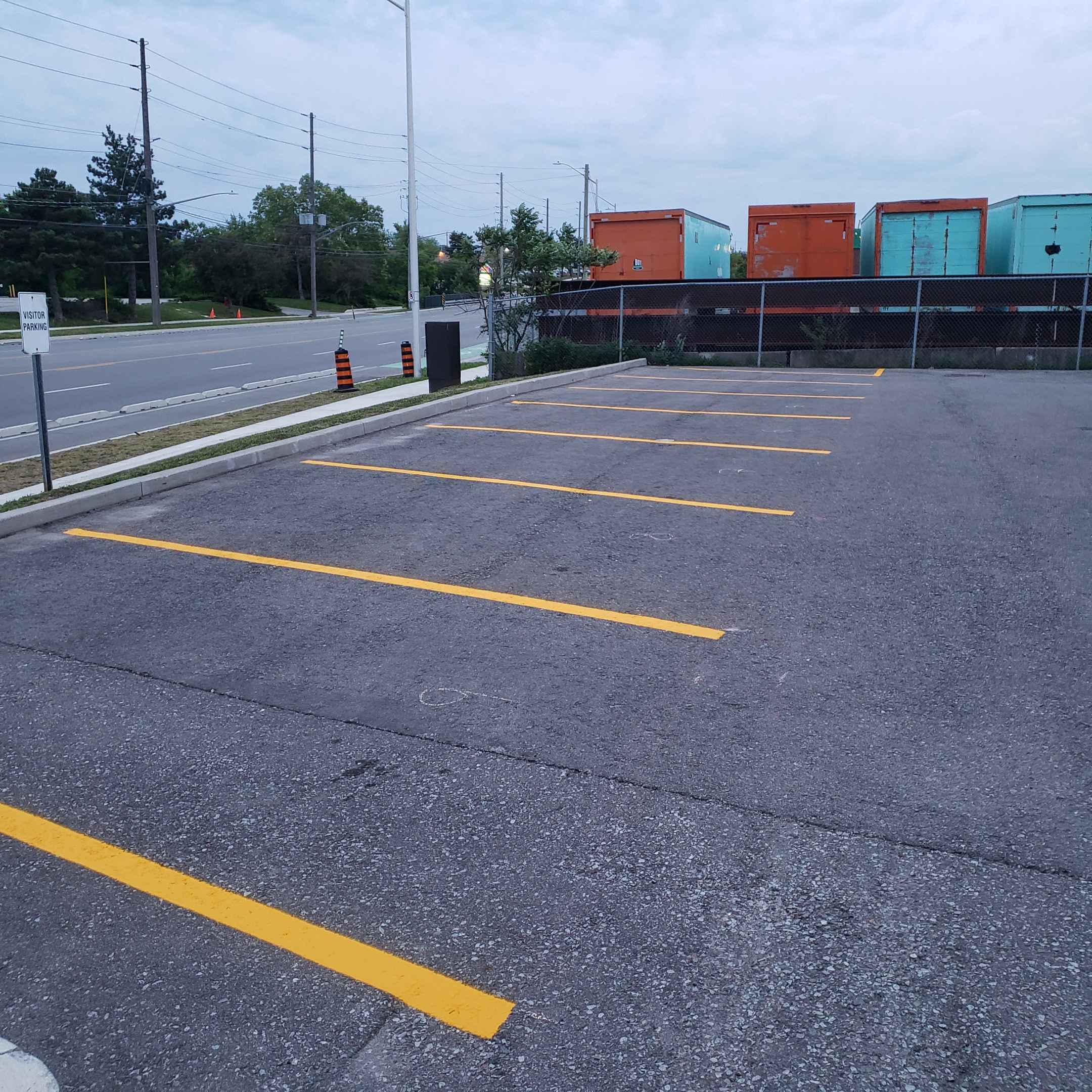
Best Practices for Painting Loading Zones and Fire Lanes
Ensuring safety, accessibility, and efficient traffic flow through professional line marking strategies.
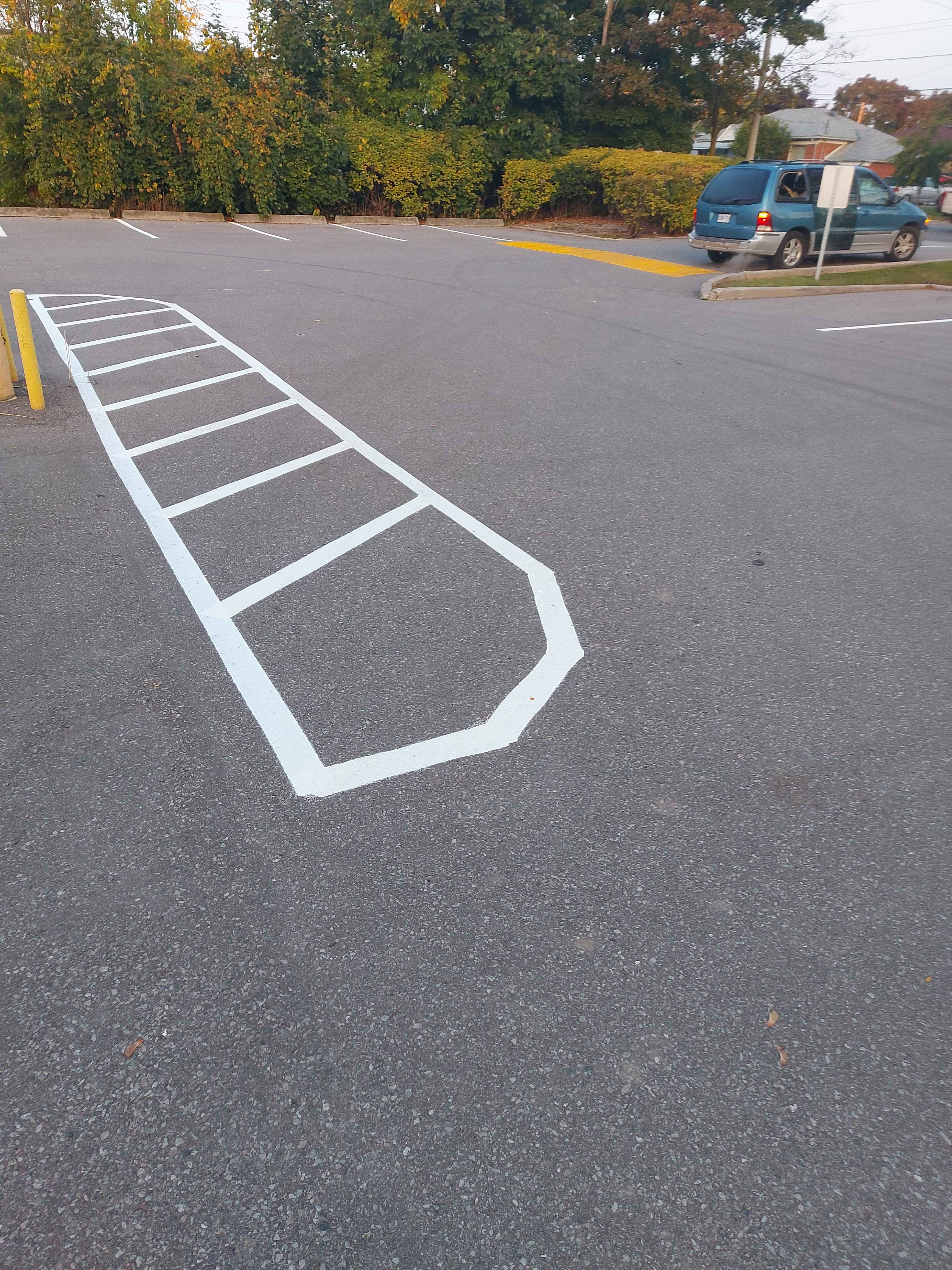
In the fast-paced commercial environments of a top 30 city like Hamilton, property management requires constant attention to detail. Among the most critical aspects of site maintenance are the clearly defined areas designated for emergency access and commercial logistics. Improperly marked loading zones and fire lanes can lead to more than just inconvenience; they can result in significant legal liabilities and safety hazards.
At Capital Parking Lot Line Painting, we understand that high-visibility line marking is the backbone of a well-organized parking facility. This guide explores the essential best practices for painting these critical zones to ensure your property remains compliant and safe.
The Importance of Fire Lane Compliance
Fire lanes are not merely suggestions; they are legal requirements designed to ensure that emergency responders have unobstructed access to buildings during a crisis. When fire lanes are poorly marked or obscured by faded paint, the consequences can be catastrophic. In dense urban areas like Hamilton, where space is at a premium, the clarity of these markings is paramount.
Key Standards for Fire Lane Marking
To maintain compliance, several standards must be met during the line painting process:
- High-Contrast Colors: Typically, fire lanes require bright red paint to distinguish them from standard parking stalls.
- Clear Textual Markings: Using words like "FIRE LANE - NO PARKING" in bold, legible lettering is essential.
- Consistent Width: Ensuring the lane width meets local municipal fire codes is a critical step in the planning phase.
- Reflective Properties: Using high-quality materials that offer visibility during night-time or inclement weather.
Optimizing Loading Zones for Efficiency
Loading zones are the lifeblood of retail and commercial hubs. When these areas are clearly defined through precise line marking, it prevents delivery trucks from encroaching on customer parking, which maintains a positive customer experience and keeps logistics moving smoothly.
Capital Parking Lot Line Painting recommends a strategic approach to loading zone design. This involves assessing the turning radius of large vehicles and ensuring that the markings are durable enough to withstand the heavy friction and weight of commercial traffic.
Best Practices for Professional Line Marking
Achieving a professional finish requires more than just a bucket of paint. It requires a systematic approach to surface preparation and application. Whether you are refreshing an old lot or marking a new development, follow these professional steps:
1. Surface Preparation
The longevity of any line painting project depends heavily on the condition of the substrate. Surfaces must be cleaned of debris, oil, and loose gravel. For older asphalt, a thorough power wash is often necessary to ensure the new paint adheres properly to the surface.
2. Precision Layout
Before any paint is applied, a precise layout must be established. This involves using chalk lines or string lines to ensure that every angle is correct and that the markings align with the overall geometry of the parking lot. This precision is what separates amateur efforts from the professional work provided by Capital Parking Lot Line Painting.
3. Material Selection
Not all paints are created equal. For high-traffic loading zones, heavy-duty traffic paint or thermoplastic materials are preferred due to their resistance to wear and weather. Selecting the right material ensures that your investment lasts for years rather than months.
Common Mistakes to Avoid
Many property managers overlook the subtle details that can lead to failed inspections or safety issues. Avoid these common pitfalls:
Faded or Obscured Markings
Allowing paint to fade due to UV exposure or tire wear can lead to non-compliance with safety codes.
Inconsistent Line Widths
Varying line widths can create confusion for drivers and give the property an unmaintained appearance.
Quick Reference Summary
Properly maintained loading zones and fire lanes are essential for safety and operational flow. By following industry best practices for line marking, property owners can protect their assets and ensure a safe environment for everyone.